These ideas range from modest budgets to installations that demand structural rigging and full florist teams, and the one that fits you depends on whether your venue already has character or needs you to build it.
A historic ballroom with plasterwork needs no floral chandelier competing overhead; a plain tent or converted warehouse is exactly where suspended blooms earn their labor cost.
1. Statement Centerpieces
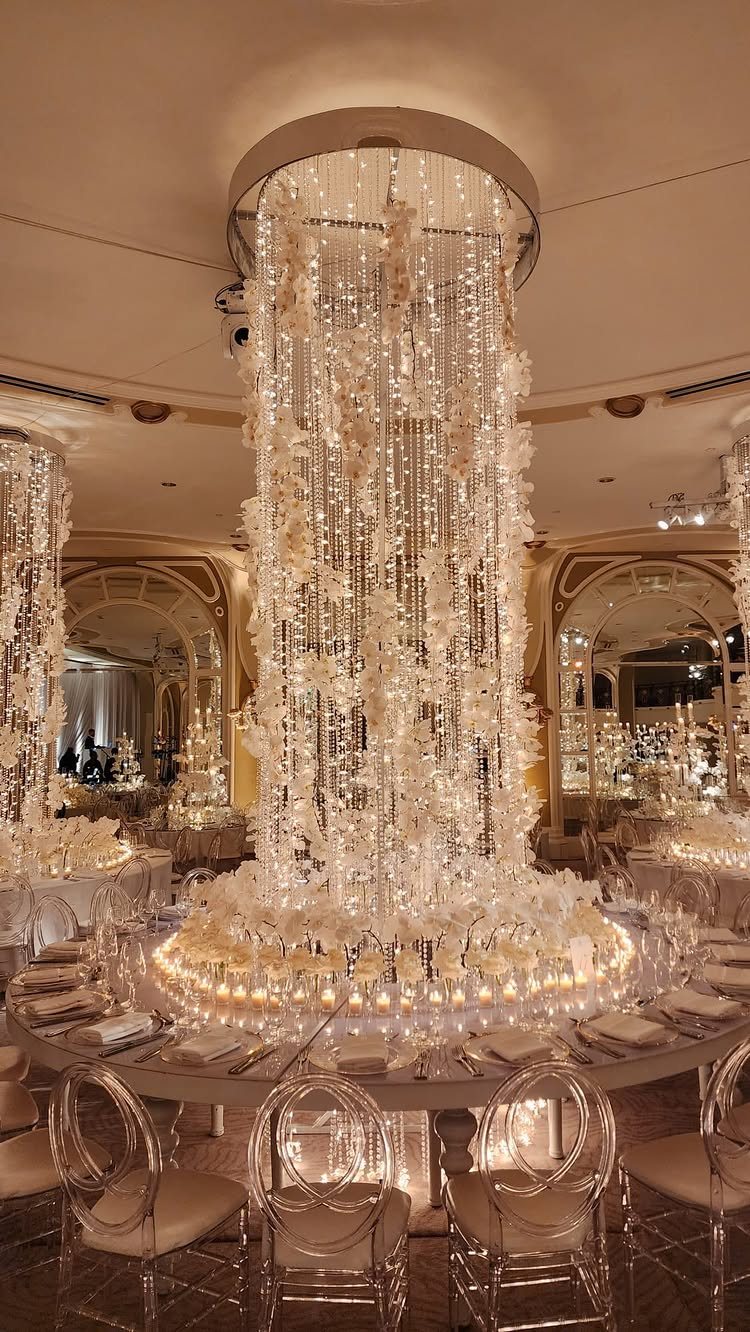
A centerpiece should earn its place on the table by giving guests something to look at from every seat.
Tall arrangements with narrow profiles keep sightlines open across round tables, while repeated clusters work better on long rectangles where conversation travels sideways.
I would split the budget between one standout style and a simpler accent. That mix keeps the room from feeling random without requiring every table to carry the same weight.
For family-style service, keep heights low enough that platters slide through without negotiation.
For 2026, centerpieces built from raw branches, dried grasses, and airy gaps between stems are showing up in more portfolios than the tight dome shapes that dominated the last few years.
They read as architecture rather than decoration, which suits venues where the ceiling itself is nothing special.
Sit in a chair at table height before guests arrive and look toward the head table or stage; if a centerpiece blocks the view, it needs trimming or a lower vessel.
What looks fine from standing height often blocks faces once chairs are occupied.
2. The Aisle
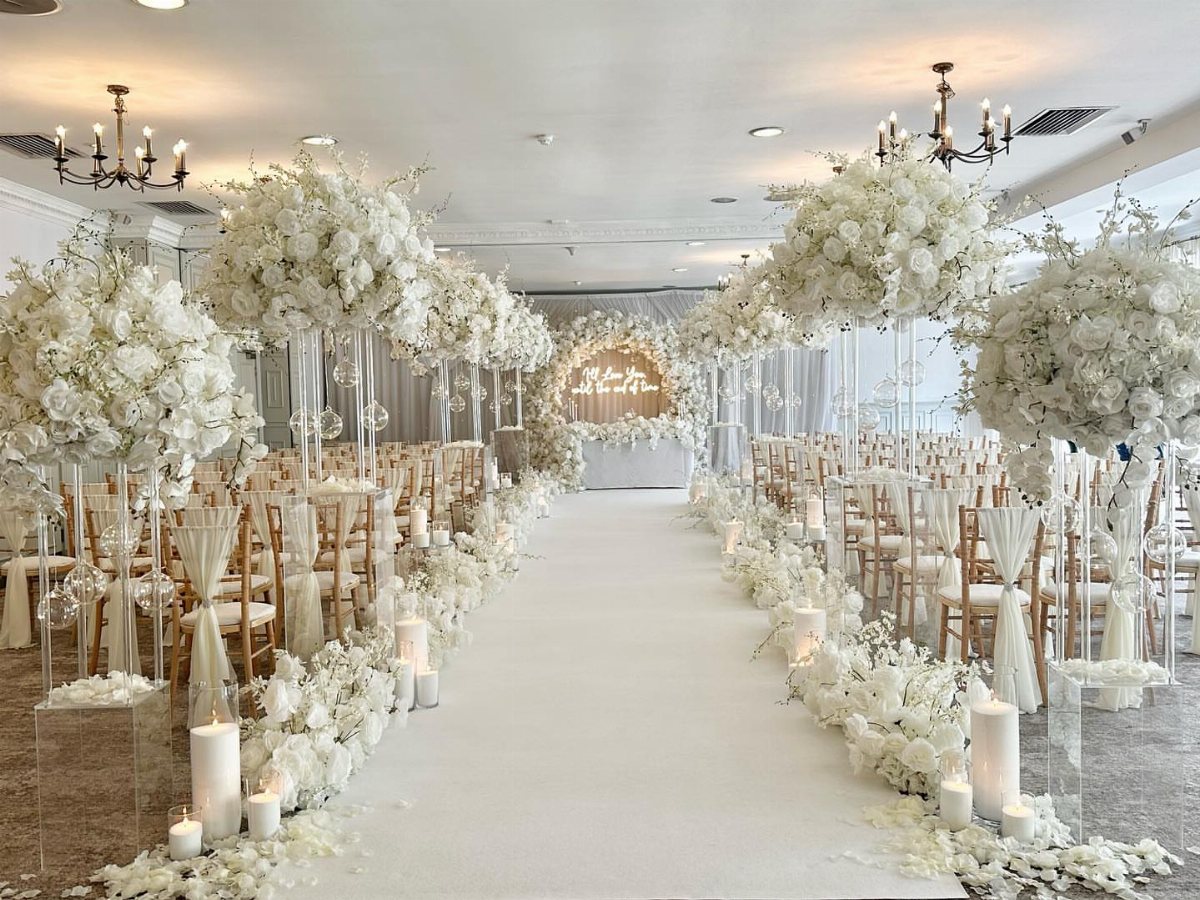
The aisle does more than lead to the altar. It sets the pace of the entrance and gives guests their first read on how formal this day will be.
Rose petals along the aisle still read as classic romance, whether you stick to one shade or fade from ivory through blush to dusty rose.
For something less expected, a Persian rug runner grounds a bohemian ceremony in pattern and weight that cloth cannot match.
Tall floral pedestals at the entrance signal drama before the processional begins; low candles or bud vases along the edges keep the mood intimate without tripping hazards.
Chair accents, ribbon wands, or floral hoops tied to aisle-facing seats add movement and color without floor clutter. Anything placed low must survive guest footsteps and heel catches.
Anything hung must survive drafts. For outdoor setups, anchor larger pieces and choose structural greens over delicate blooms that wilt in sun or bruise in wind.
3. Lighting Design
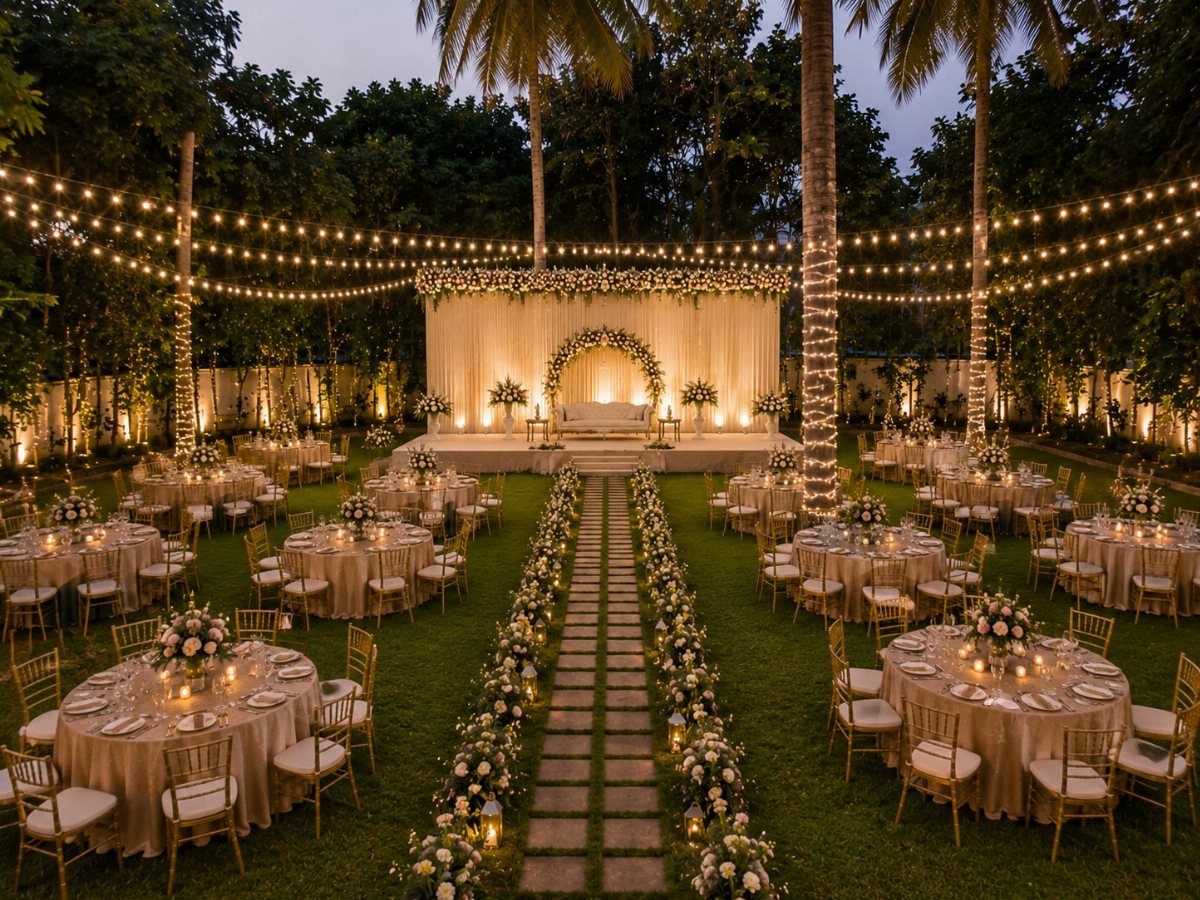
String lights between trees or wrapped trunks turn an ordinary lawn into a room with a ceiling. Lighting works best in layers: overhead wash, pinpoint spots, and low glow each do a job that the others cannot.
Ambient light lets guests move safely; task light lets them read menus and find their seats; accent light gives the floral arch or cake table its moment. Plan all three together rather than adding fixtures as afterthoughts.
Color temperature matters more than most couples notice. Warm and cool sources in the same sightline distort skin tones and make flowers read wrong.
Dimmable circuits let you drop brightness for dinner, then bring it up for speeches without changing the mood entirely.
Colored LED uplights against walls or tree trunks can wash architecture in your palette, but I would use them sparingly. One color reads as intentional; three read as a dance floor waiting to happen.
4. Candles and Candlelight Design
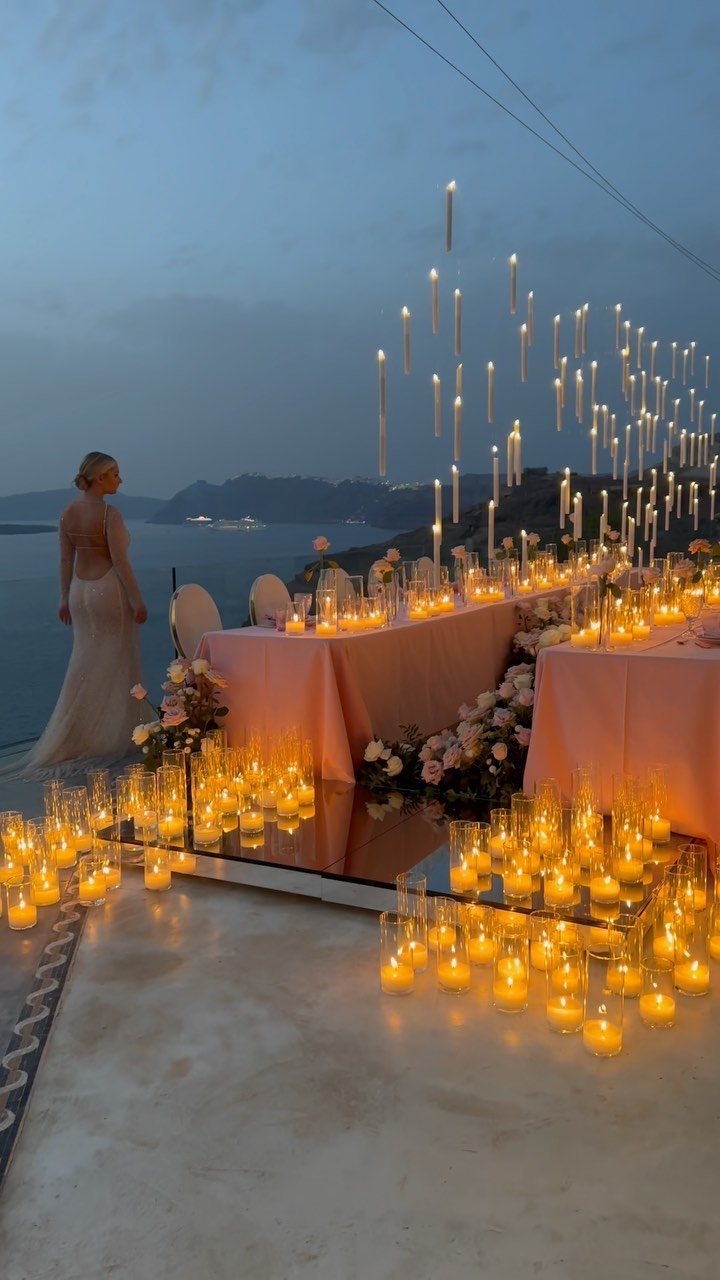
Candlelight flatters every guest and costs less than most lighting packages. The version to aim for mixes heights: votives clustered low, tapers at eye level, pillars anchoring the arrangement.
Grouped together they read as one design; scattered randomly they read as afterthoughts.
Venue rules come first. Venues increasingly require hurricane shades or lanterns that rise above the flame, and some prohibit open flame outright.
LED candles have improved to the point of indistinguishability at dinner distance, and they survive gusts that would snuff a real taper.
Battery candles slip into places a real flame cannot reach: tucked inside ceremony arrangements or along aisle edges where no one has to babysit them.
Where real flame is permitted, stable holders and distance from drapery or foliage are non-negotiable. The glow is worth the caution.
5. Ceremony Backdrop
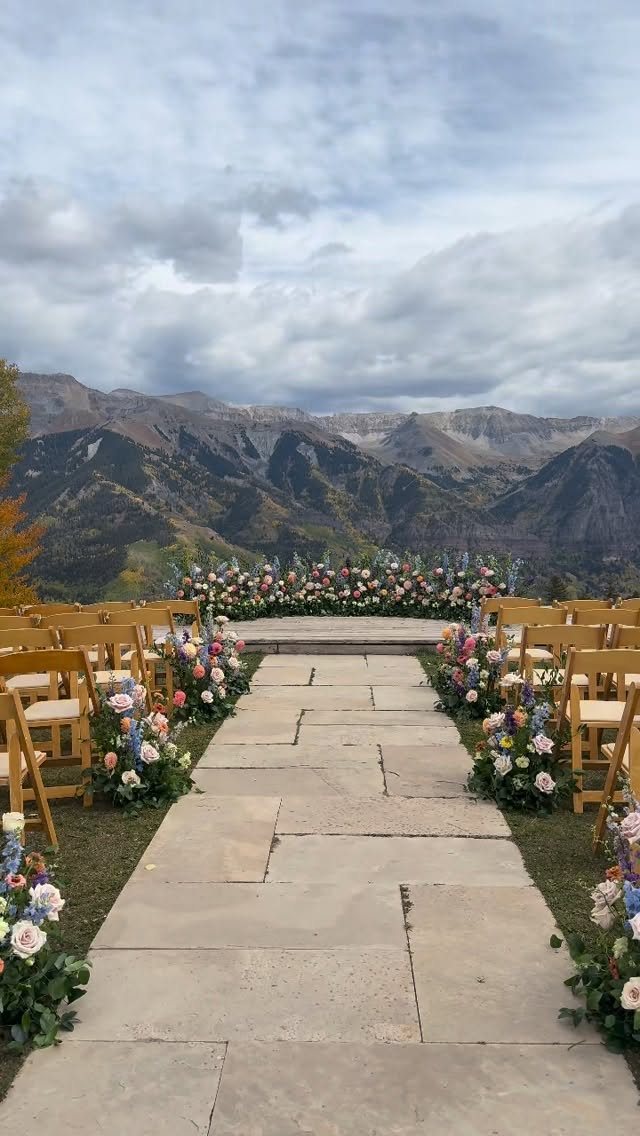
The ceremony backdrop frames the part of the day most guests will photograph, so it deserves early planning rather than leftover budget.
Floral arches remain the default for good reason: they photograph clearly from the back row and scale to almost any venue. Asymmetric designs feel more editorial; ground-level meadow arrangements suit outdoor settings where the landscape itself competes for attention.
Fabric panels with fairy lights soften harsh architecture; acrylic or lucite inserts read modern against clean lines.
Wind and weather decide more than aesthetics for outdoor ceremonies. A floral arch that looks perfect in still air can shed petals across the platform in a breeze.
Anchoring and structural flowers matter as much as color.
6. Personalized Signage
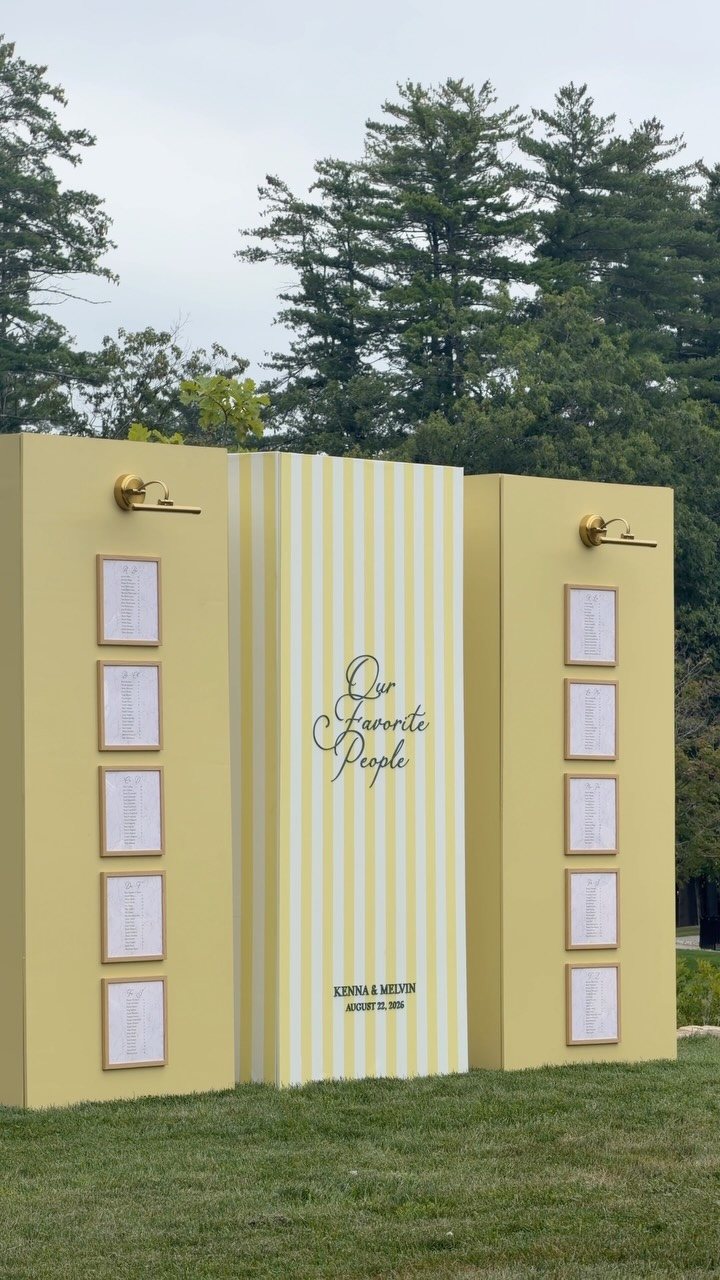
A welcome sign is the first thing guests touch and read; a seating chart is the last thing they consult before relaxing into the party. Both should feel like the same hand wrote them.
Wood slabs and acrylic panels carry more weight than paper tacked to foam board. Mirrors catch light and extend small spaces visually.
Neon script or marquee initials make a natural photo stop, and they earn their keep if you move them from the welcome table to the bar or the send-off line.
The rule I follow: pretty fails if guests cannot use it. A seating chart in calligraphy too ornate to scan under cocktail-hour dimness frustrates everyone.
Bar menus that list ingredients guests cannot see through glassware waste their own print cost. Consistent type, consistent material, consistent placement at natural stopping points.
Ceramic or metal table numbers that guests pocket as keepsakes extend the design into memory better than cardstock left on the table.
7. Cozy Lounge Spaces
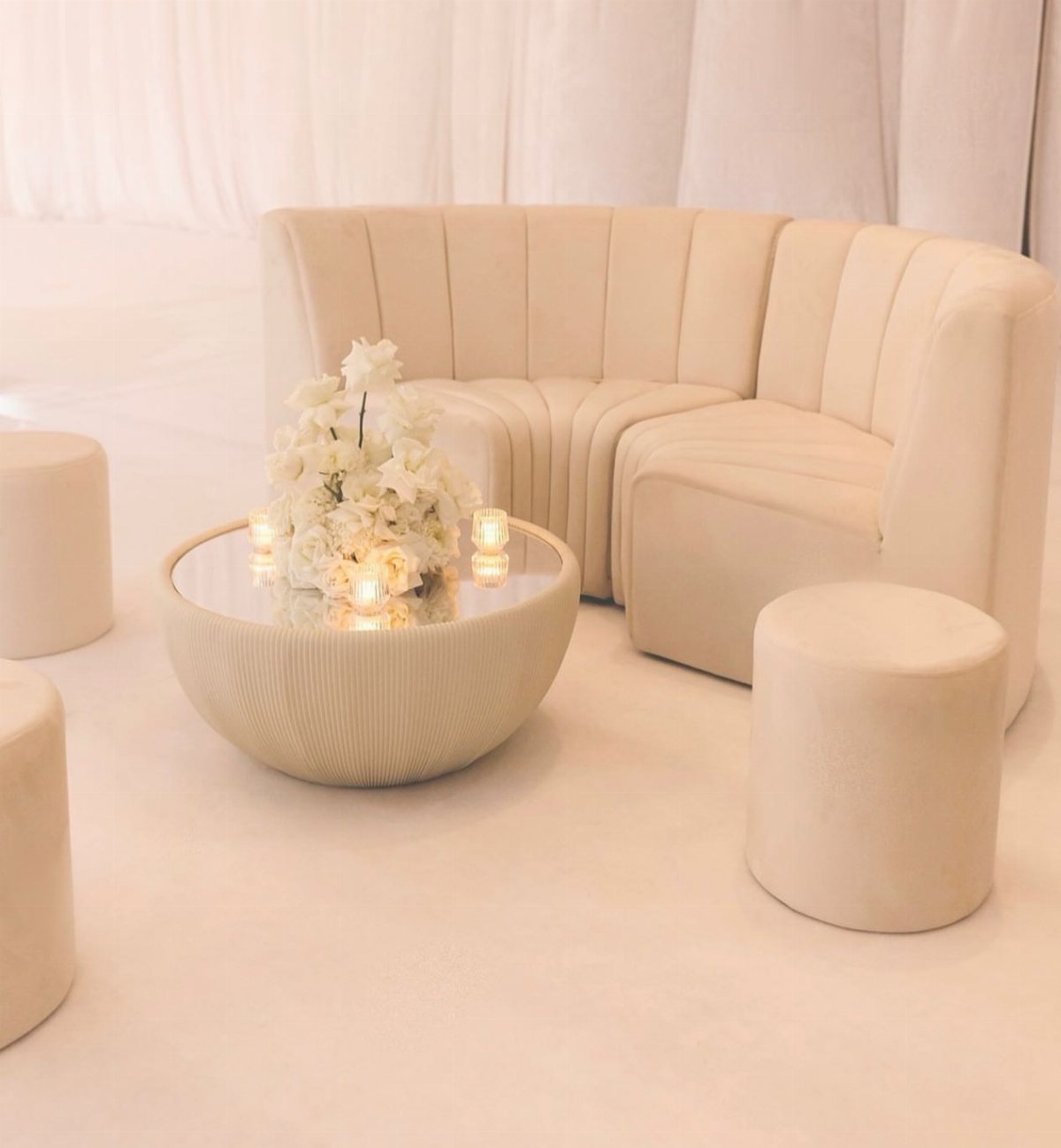
A lounge area gives guests somewhere to land besides their assigned dinner seat. I would set mine near the bar or patio, where people already drift between drinks and conversation.
Mixed furniture reads more inviting than matched sets. Warm lighting matters more than elaborate decor here.
Floor space is the cost. Each seating grouping takes a table off your count.
For a guest list under 80, I would skip it and keep the dance floor open. Above 120, the room can handle both, and guests who need a break from the music will use it.
8. Fabric Drapery
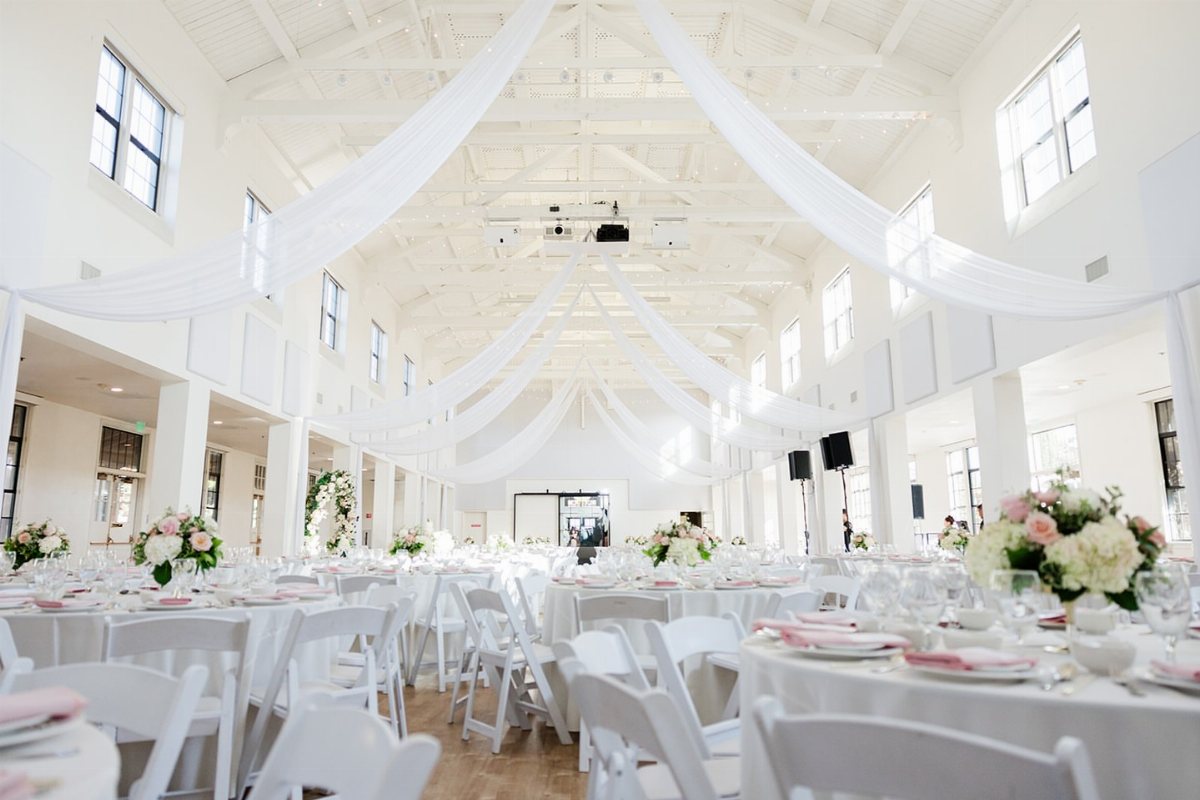
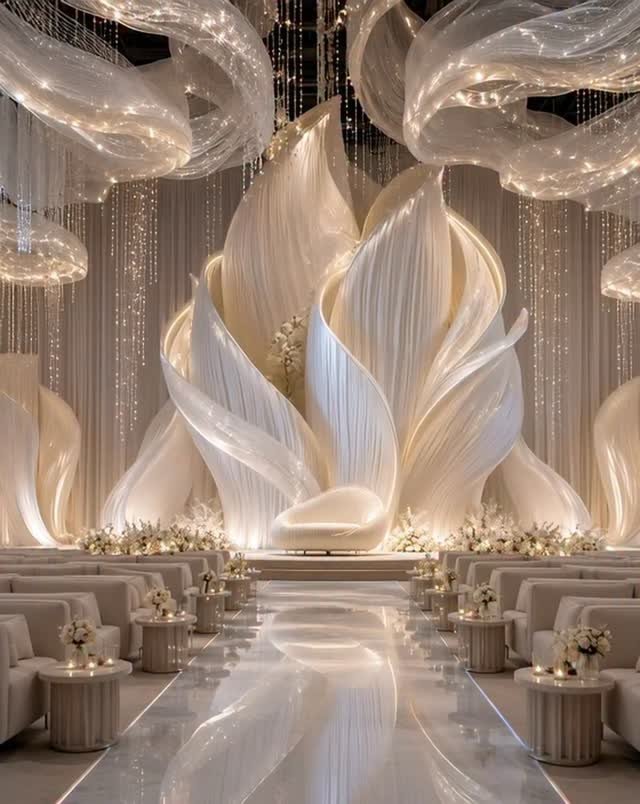
Ceiling drapery works hardest in venues that need softening: raw industrial spaces, tent poles, or any room with walls you would rather not feature. White or blush chiffon catches light with a glow and shadow that plain fabric misses.
High ceilings make the installation worth the labor cost; in a low space, the fabric hangs too close to guests’ heads and the room feels compressed.
I have seen the same swags turn a simple frame into a canopy over a head table, or divide a too-large hall into intimate zones without building walls.
Check your venue’s rigging points before you commit. Some historic buildings cannot handle the weight, and a pipe-and-drape solution on stands reads rental hall rather than romantic.
9. DIY Flower Bars
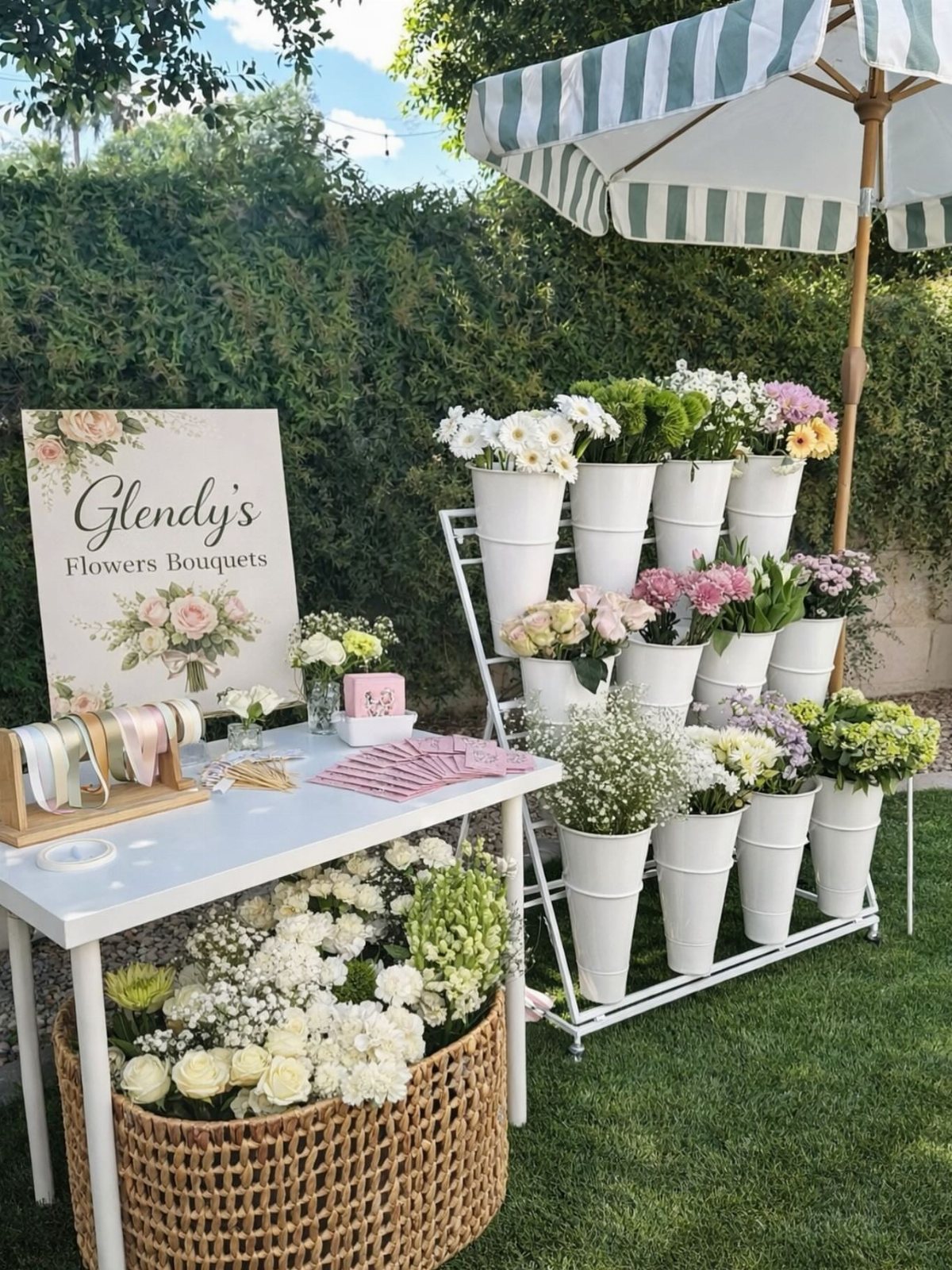
A flower bar turns the favor table into something guests do rather than receive. White buckets, a tiered stand, and a hand-lettered sign keep equipment costs low while guest engagement runs high.
I would station this near the cocktail area, not the main reception. Guests need time to handle stems, wrap bouquets with ribbon, and take photos before dinner pulls them away.
The flowers themselves do not need to be exotic; carnations, baby’s breath, and a few roses in a limited palette look intentional rather than sparse.
Timing is the risk. Fresh flowers wilt, so the buffer between setup and guest arrival needs to be longer than most people plan for.
For an outdoor summer wedding, I would shade the table or move the whole idea indoors. A DIY element that guests abandon because the sun baked the blooms is money spent twice.
10. Dessert Displays
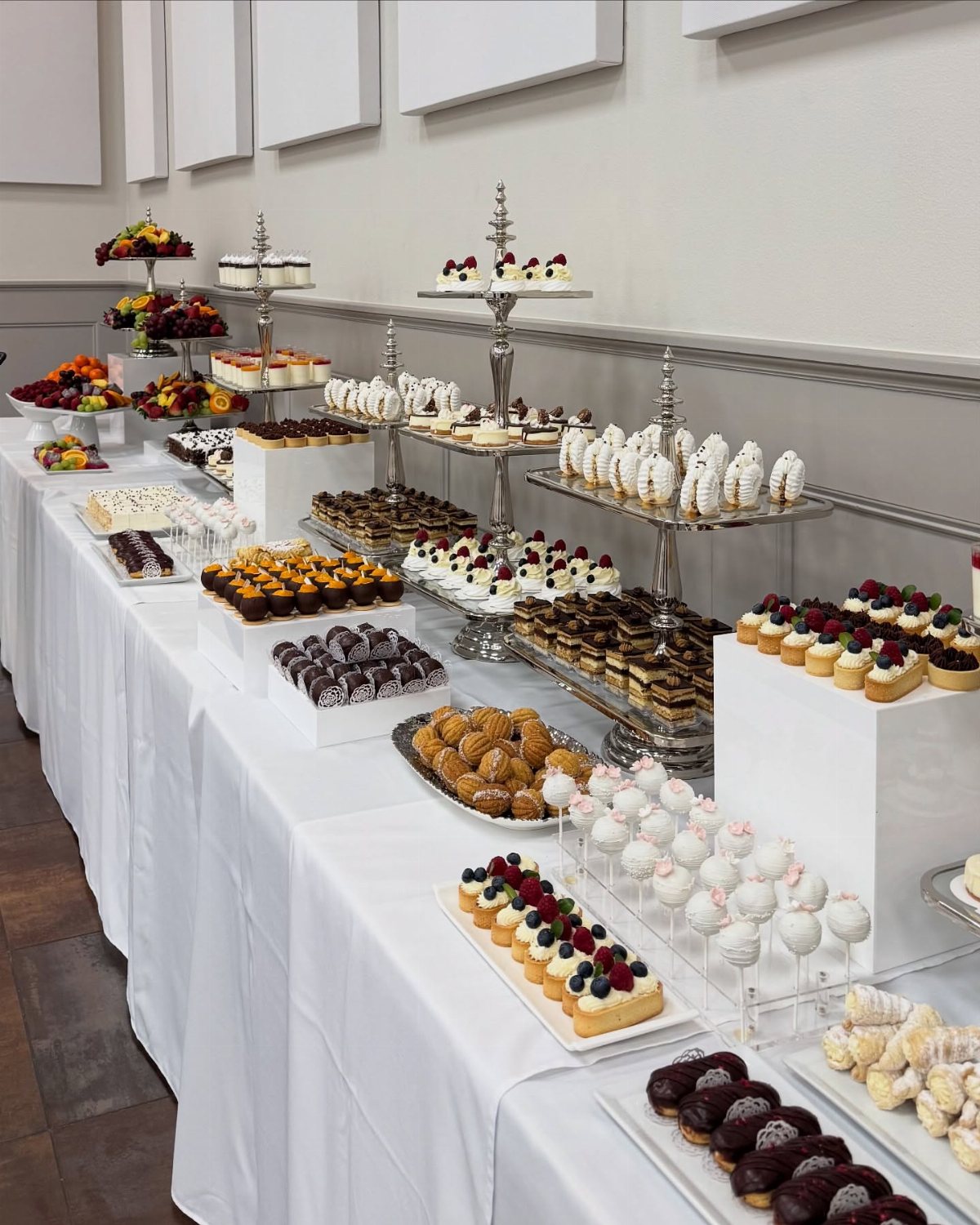
Dessert as decor means the display carries visual weight before anyone takes a plate.
I would style this to match the room’s vocabulary: sleek marble countertops for a modern venue, rustic barrels or wood slabs for something barn-based. The food is only half the statement; what holds it completes it.
The practical limit is staff access. Where servers need to replenish or cut, leave open, clean surface.
A dessert wall or tiered arrangement that crowds the working side slows service and looks cluttered once the reception is underway.
For a large guest list, I would split the display into two stations rather than scale one table to impractical length.
11. Framed Photos on Memory Tables

A memory table gathers what would otherwise scatter: the framed photograph on your parents’ dresser, the snapshot from your first trip together. Greenery and small votives frame these pieces without competing.
Placement matters more than quantity. Near the guest book or entrance, where people pause naturally, the table gets actual attention.
Tucked in a corner beyond the bar, it becomes furniture rather than a moment.
I would keep the count low enough that each frame gets attention. More reads museum, less reads forgotten.
One central piece, like an "In Loving Memory" sign, gives the collection purpose rather than accumulation.
The table suits couples with family history to honor; without that specific need, the space serves guests better as a lounge or a place for late-night coffee.
12. Floral Chandeliers

A floral chandelier works where the ceiling is bare and the floor is already full.
The ring of pink and red blooms with hanging vine, suspended by garland, draws the eye up and defines a zone beneath it: head table, dance floor, or ceremony space.
Outdoor installation between trees avoids rigging costs, though wind and weather become your variables. Indoor, the hardware must attach to structural points; decorative ceiling grids in rented tents will not hold the weight.
I would choose this for a venue with minimal architectural interest overhead. A historic ballroom with plasterwork or exposed beams already has its vertical statement, and adding flowers competes rather than complements.
In a plain tent or a converted warehouse, the chandelier supplies what the building does not: scale, color, and a sense of occasion guests notice when they look up from their phones.
13. Seasonal Flowers and Foliage

Seasonal blooms hit differently than flown-in alternatives.
Dahlias in late summer, forced tulips in March: the ones growing nearby when your date falls will look fuller, hold up longer, and cost less per stem than anything shipped from a climate that doesn’t match your own.
Ask your florist which flowers are at peak during your month, not just which ones can be sourced. Foliage follows the same rule.
Olive branches in California, magnolia in the South, birch in New England: local greens carry the place into your arrangement in a way that generic fern filler never does.
If your color scheme demands a flower that’s out of season, your florist can suggest a seasonal substitute in the right range rather than importing the exact bloom.
14. Entrance Decor

Guests start judging your wedding the moment they park. The entrance sets whether they feel welcomed or merely processed.
A welcome sign at the threshold gives late arrivals a landing point and early ones something to do while they wait.
Scale it to the approach: small and elegant for a garden path, oversized and bold for a barn door or industrial loading dock.
Framed seating charts and antique mirrors have doubled as photo backdrops at recent weddings I’ve watched; guests pause there automatically.
Lanterns or potted plants lining the walkway add rhythm without demanding a balloon arch.
If you do want a photo moment, a flower wall at the entrance pulls double duty as decor and activity while guests are still arriving and the couple is busy with photographs elsewhere.
The guest book belongs here too, where people are still alert and haven’t yet found their seats, their drinks, and their conversations.
15. Large-scale Floral Installations
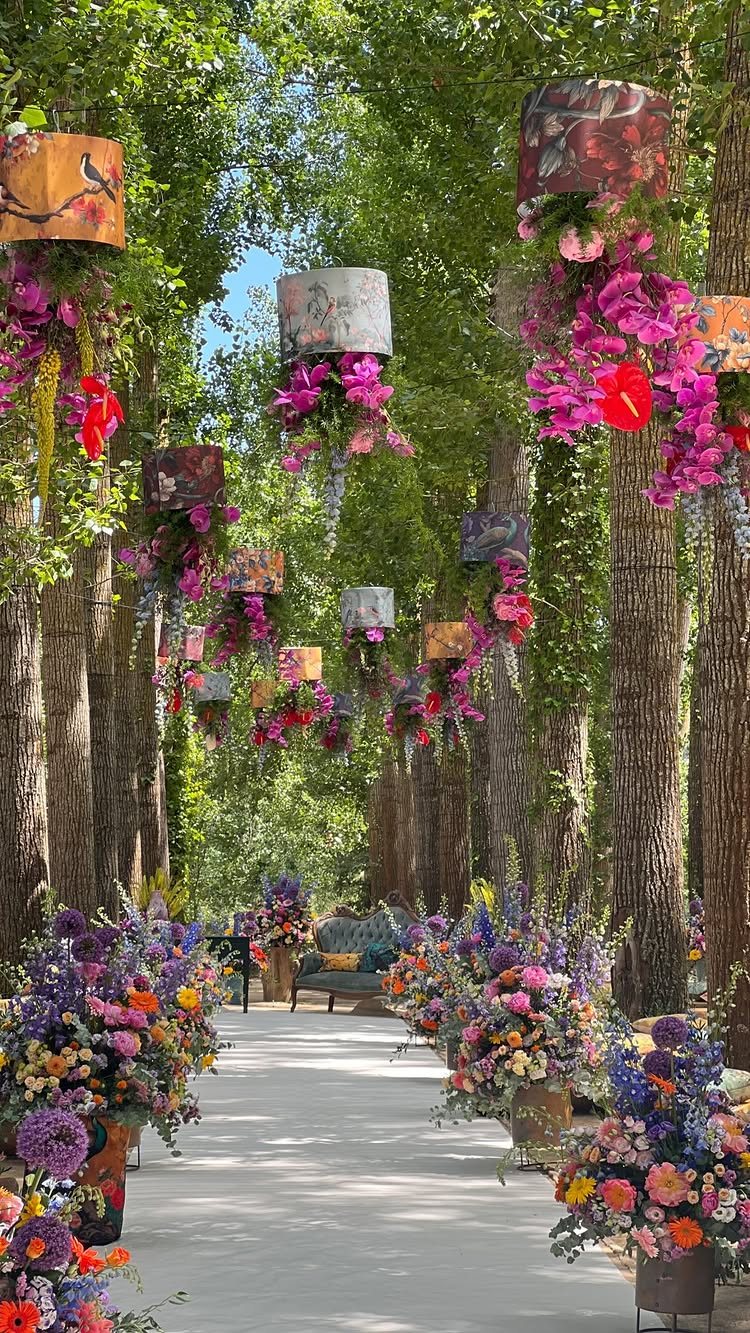
Small centerpieces get lost in a barn, a ballroom, or any space with a high ceiling. Scaling up florals to fill vertical space changes how the whole room feels occupied rather than scattered.
Blooms and greenery climbing upward, suspended from the ceiling or built onto existing structures, pull the eye where a flat table arrangement cannot reach. Uplighting against the installation adds depth after dark and catches texture the overhead lights flatten.
This is not a budget workaround. Large installations demand more material and more labor to rig safely.
They suit couples who have the room for it, literally, and who want fewer total pieces making a bigger statement.
In a tent or a raw industrial space, one suspended piece over the dance floor replaces a dozen table arrangements and frees guest sightlines across the room.
16. Historic Wedding Venues

A historic venue does half your decorating for you. The Crane Estate in Massachusetts, where this couple married, carries original grandeur in its paneling, its proportions, and its lawn rolling down to the Atlantic.
A place that already has atmosphere saves you the work of creating one.
The trade is flexibility. Historic houses have rules: no open flame, no confetti, no tape on plaster, no red wine where original floors show.
Load-in times run shorter because staff know what the building can tolerate. Your caterer may need to work around a kitchen built before commercial refrigeration.
I would put the money saved on draping and backdrops into targeted pieces that complement what’s there: one dramatic floral at the fireplace, candles where they’re permitted, linens that pick up an existing color in the wallpaper.
The building itself becomes your ceremony backdrop, your photo setting, your conversation piece.
Haunted options exist if you want that layer for guests who care, but the ordinary kind of history, the kind in the woodwork, requires no embellishment to feel like an event out of time.
Choosing a Cohesive Theme
A theme only works if you actually commit to it. I have watched couples split the difference between two aesthetics and end up with a room that felt accidental rather than edited.
Pick one direction, whether that is romantic vintage, modern minimalist, or boho-chic, and let it answer every question that comes up later. When you are torn between two centerpieces or two signage materials, the theme decides for you.
The venue itself should already lean your way. A tropical botanical space will fight a formal historic garden mood no matter how much drapery you add.
I would tour the space with one specific image in mind, your single reference photo or color swatch, and notice where the architecture already supports it and where you will need to compensate.
Budget-friendly Decoration Tips
The ceremony arch is the easiest piece to repurpose. Move it behind the head table, or turn it into a photo backdrop once guests arrive.
Urns from the aisle can flank the entrance. Bridesmaid bouquets drop into waiting vases for the cake table or bar.
One sign that flips from welcome message to seating chart saves a second printing fee.
Foliage stretches a floral budget further than most couples realize. A garland of seasonal greens fills the same visual space as twice its cost in roses.
Rental beats purchase for anything you cannot resell easily. Arches, backdrops, and large props leave you with storage problems the morning after.
Battery-powered fairy lights cost less than uplighting packages and travel well between ceremony and reception spaces. Ribbon trails or scattered petals replace pew-end arrangements that guests never notice at eye level.
Venue Constraints
Every venue has fixtures you cannot move and rules you cannot break. Map the permanent elements first: ceiling height, wall color, windows, fireplaces, staircases, built-in bars.
These are your anchors, not your obstacles. Dark walls swallow light and need lighter linens; ornate plasterwork needs restraint so the eye has somewhere to rest.
The restrictions matter just as much. Most venues prohibit adhesives, direct wall attachments, and open flame near drapery or foliage.
Some require certified riggers for anything suspended. Historic surfaces scratch easily; rigging points for ceiling drapery may not exist at all.
Flame codes vary by county, and a candlelit vision that fails inspection at the final walkthrough leaves no time to pivot.
Importance of Lighting
Lighting does the work that decor cannot. Uplighting washes walls in your palette, though I would stop at one color; more than that reads as accident rather than intention.
The sources must match in color temperature. Projected monograms on floors add a personal mark without physical weight.
Frequently Asked Questions
Is $10,000 a lot for a wedding venue?
For most couples I write for, that amount sits at the modest end of the spectrum.
The typical budget runs tens of thousands, so a venue that consumes most or all of a modest sum leaves little room for food, photography, and the details that make the day feel personal.
That math shapes every decision I discuss.
How do I make my wedding venue feel unique?
Personal touches that guests interact with do more than decoration they only look at.
A flower bar where guests build their own bouquets, neon signage moved from welcome table to bar, or a memory table with framed stories turn the space into an experience.
Consistent materials across signage, type that reads under cocktail-hour light, and furniture grouped for actual conversation all signal that one hand planned this rather than a rental catalog.
What are 2026 wedding trends?
Raw branches, dried grasses, and airy gaps between stems are replacing the tight dome centerpieces that dominated recent years; they read as architecture rather than decoration.
Silver finishes and chocolate tones, from espresso velvet to honeyed caramel, are showing up in linens and accents.
Floral installations are scaling up and hanging down, suspended over dance floors or built onto structures to fill vertical space that table arrangements cannot reach.