"Here Comes the Bride" is the Bridal Chorus from Richard Wagner’s 1850 opera Lohengrin, a work that ends in tragedy rather than celebration.
The tradition of walking to it is barely older than photography itself, begun by Princess Victoria’s 1858 wedding at the Chapel Royal.
That single ceremony established the pattern still copied today, though the music originally accompanied a doomed marriage, not a joyous one.
Where the Song Actually Comes From
The piece everyone calls "Here Comes the Bride" is properly the Bridal Chorus from Richard Wagner’s 1850 opera Lohengrin.
Wagner composed it for a staged scene, not for any actual wedding, and the opera itself ends in tragedy rather than happily ever after. That disconnect between the music’s origin and its modern use has never quite closed.
Royal taste is what moved it from the theater to the chapel. Princess Victoria, Queen Victoria’s oldest child, married Frederick William IV of Prussia on January 25, 1858, at the Chapel Royal in St. James’ Palace.
She was an opera patron who specifically loved Mendelssohn and Wagner, and she chose the Lohengrin chorus for her own processional. That single ceremony established the pattern still copied today: Wagner for walking in, Mendelssohn for walking out.
The 1858 royal wedding started the practice of a "full choral processional from the church entrance to the altar" and playing music as the bride walked up the aisle, a change from the usual practice of having music only at the reception.
— Time
What this means for anyone planning an aisle walk now is that the tradition is barely older than photography itself.
The "classic" choice is a Victorian innovation, not ancient ritual, and its popularity spread the same way white dresses did: because one very visible royal family did it first.
What the Lyrics Really Are
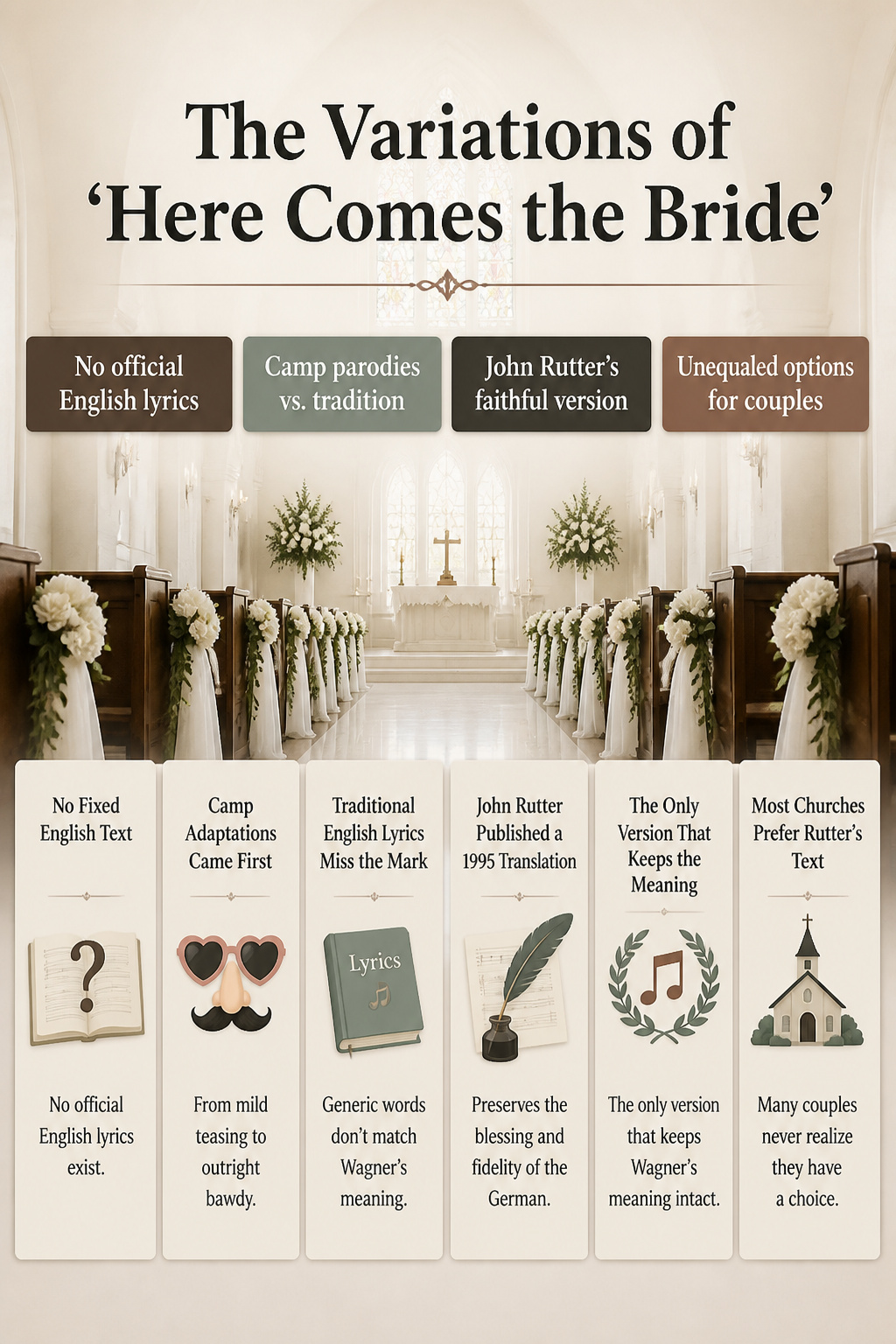
No official English lyrics for "Here Comes the Bride" exist, which surprises couples who assume they are missing a fixed text everyone else knows. What circulates instead is a patchwork of versions, each carrying its own tone and history.
The camp adaptations came first for me, the ones sung at childhood sleepovers with lyrics about the bride’s appearance or the groom’s reaction.
They run from mild teasing to outright bawdy, depending on who is singing and how much champagne is involved. These versions stick because they are easy to remember and require no German.
More earnest attempts at traditional English lyrics try to match the processional mood without the original meaning. They speak of love, joy, and celebration in generic terms.
The problem is they do not match Wagner’s actual content at all, so you are either committing to the original intent or replacing it with something gentler that happens to fit the notes.
John Rutter published a 1995 translation that does the actual work: rendering "wo euch der Segen eint euch in Treue zum seligsten Paar" into English that preserves the blessing and fidelity of the German.
It is the only version that keeps Wagner’s meaning intact rather than inventing new sentiment.
Most churches that still allow the piece prefer Rutter’s text, though plenty of couples never realize they have a choice between the original sense and the childhood parody.
Opera Meaning Against Wedding Use
The "Bridal Chorus" first sounded in a very different scene than the one most couples imagine.
In Wagner’s Lohengrin, premiered in Weimar in 1850, the chorus arrives at the start of Act Three as attendants escort the newlywed couple to their bridal chamber.
Minutes later, the marriage collapses: Elsa breaks her promise by asking Lohengrin’s name, a rival is killed, the knight reveals his identity and departs, and Elsa dies of grief.
The music that now accompanies radiant processional moments was originally the soundtrack to a union doomed within the hour.
Some couples find this mismatch impossible to ignore. Jewish couples in particular often exclude the piece because Wagner’s own anti-Semitic writings later made him a symbol of "Aryan cultural greatness" under Nazi ideology.
Roman Catholic and conservative Lutheran congregations sometimes ban it too, citing its secular operatic origins and pagan dramatic elements alongside the tragic narrative context.
Others hear only the familiar melody and feel no contradiction. The British nobility who popularized it at weddings in the late 19th century stripped away the opera’s plot entirely, and most modern guests never connect the tune to Elsa’s fate.
Whether the original context matters depends on whether you treat ceremony music as carrying its source material with it, or as a tune that escaped its story and became something new.
Why Some Churches Ban It
The "Bridal Chorus" carries baggage that has nothing to do with brides. Richard Wagner composed it for his 1850 opera Lohengrin, a secular work where the music accompanies Elsa to her bridal chamber, not to any altar.
That pagan context alone made some clergy uneasy, but the harder objection is Wagner himself.
His anti-Semitic writings claimed Jewish people lacked artistic passion and the capacity for sophisticated musical expression. Nazi ideology later hailed him as a model of "Aryan cultural greatness."
Most Jewish couples understandably skip the piece entirely.
Specific bans do exist. The Lutheran Missouri Synod prohibits the "Bridal Chorus" in its ceremonies, citing both secular origins and Wagner’s ideology.
Roman Catholic and other conservative denominations have joined in, though acceptance varies parish by parish. One priest might allow it as mere tradition; another hears the same notes and refuses to sanctify a room with them.
I find the range telling. Some churches ban it outright, others leave it to conscience, and plenty of secular venues never think twice.
The couple planning their aisle walk faces a real choice: risk the side-eye from a knowing guest, or pick something nobody has to google before saying yes.
How the Lyrics Keep Changing
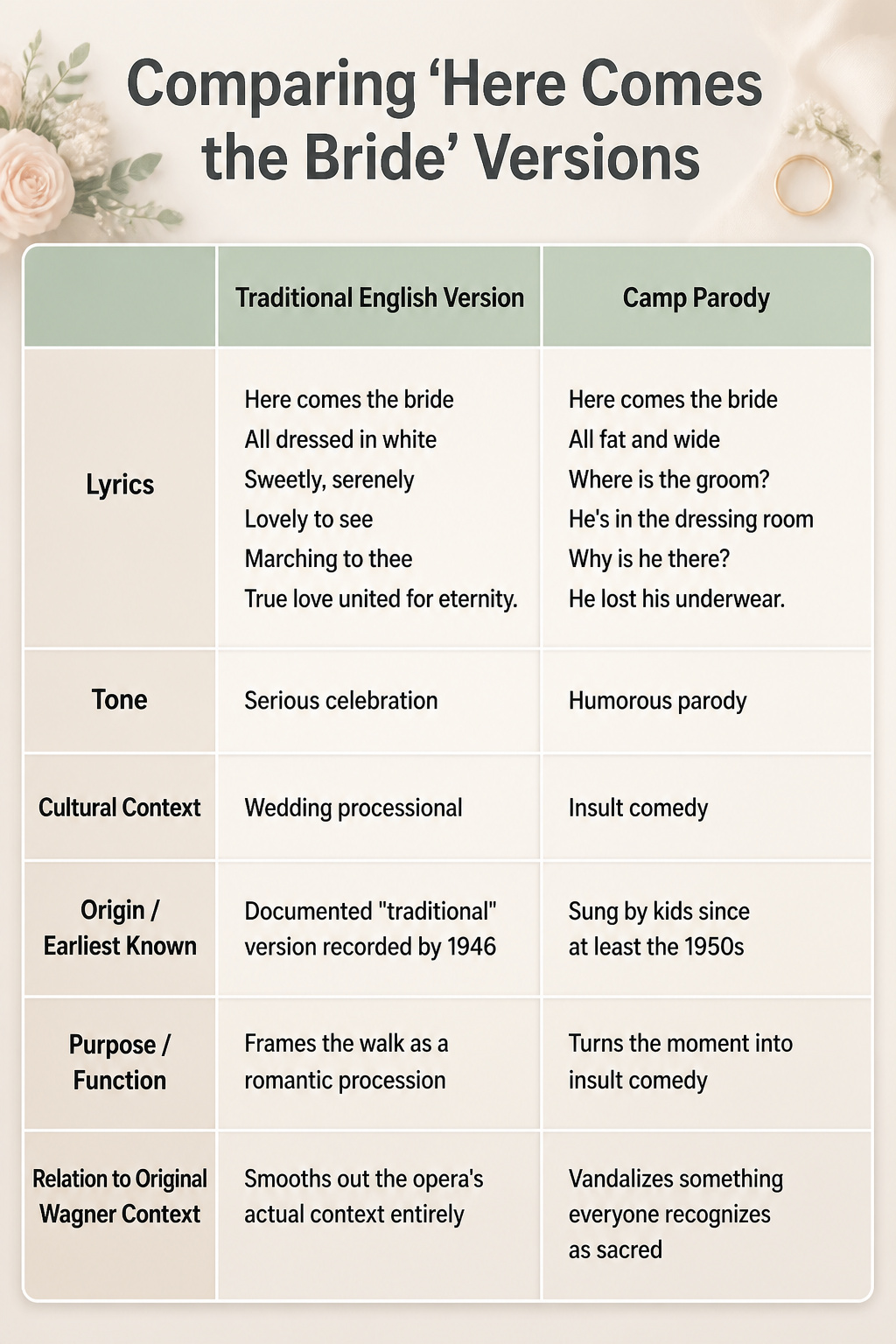
The English words most brides actually hear were never Wagner’s. A documented "traditional" version recorded by 1946 runs: "Here comes the bride / All dressed in white / Sweetly, serenely / Lovely to see / Marching to thee / True love united for eternity."
That one frames the walk as a romantic procession, smoothing out the opera’s actual context entirely.
- The camp parody turns the moment into insult comedy: "Here comes the bride / All fat and wide / Where is the groom? / He’s in the dressing room / Why is he there? / He lost his underwear." Kids have been singing this since at least the 1950s, and the joke works precisely because it vandalizes something everyone recognizes as sacred.
- John Rutter’s 1995 translation attempts honest fidelity to Wagner’s German original: "Led here in faith, draw near with joy, / Love’s guardian angel will watch over you!" Rutter himself noted that no translation can make this fit a church ceremony, since the original accompanies newlyweds to their bridal chamber, not the altar.
- Tin Pan Alley composer Albert Tizer borrowed the melody in 1912 for a song called "Here Comes the Bride," but his lyrics tell a completely different story, a woman’s lament about a stolen boyfriend, proving the tune had already detached from any fixed meaning.
Each version serves a different master: the parody mocks ritual, the traditional English version invents a gentler one, and Rutter’s scholarly rendering refuses to pretend the source material says something it does not.
Picking Something Else for the Aisle
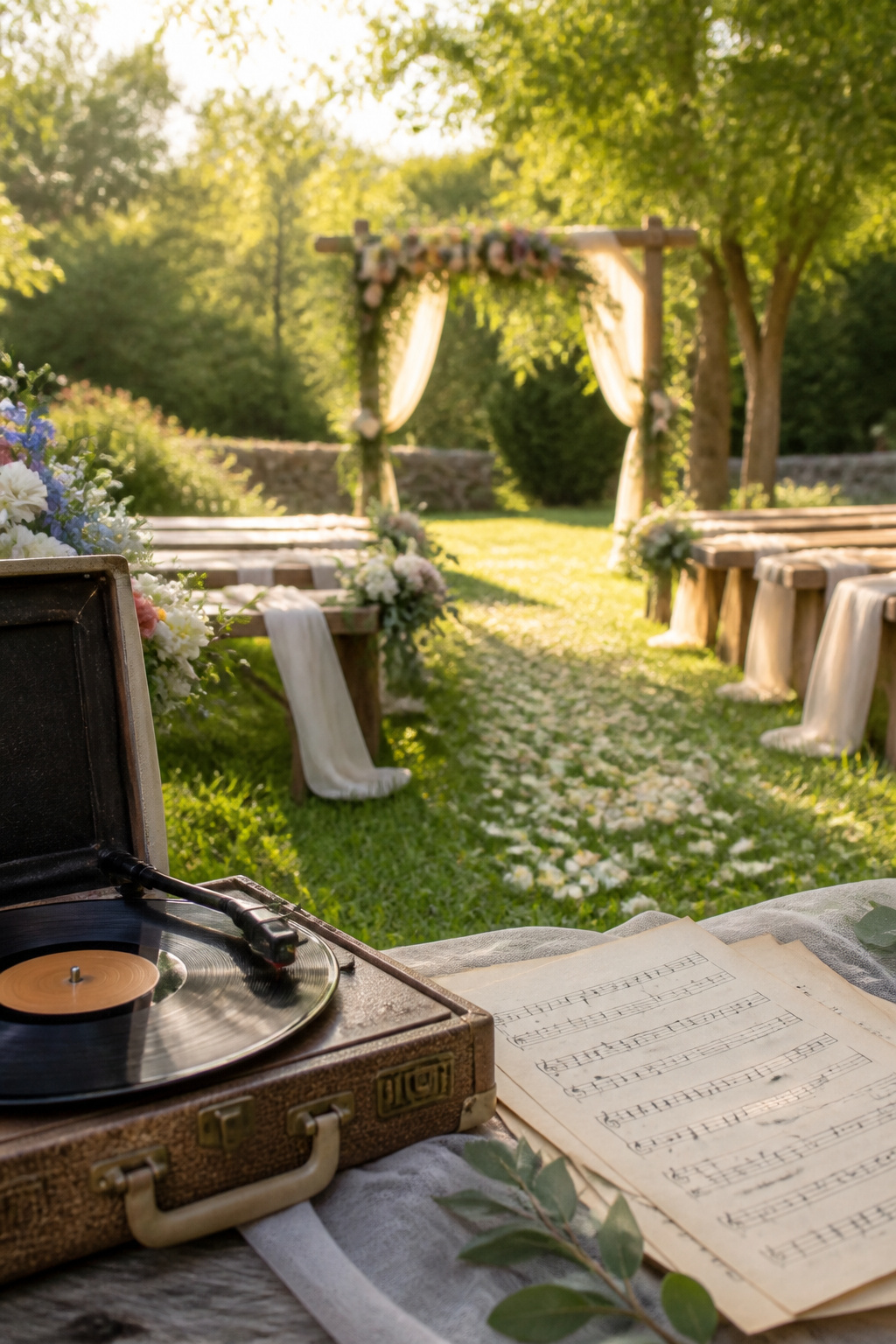
Some couples choose the aisle music that fits the venue’s rules, not the other way around.
A Roman Catholic parish or a conservative Lutheran congregation often bars the Wagner processional outright, which means the decision is made before you ever book the quartet.
If your ceremony is in a secular space, the constraint lifts, and the question becomes what you actually want to walk to.
Personal meaning beats tradition when the budget is tight and every choice counts.
A friend of mine processed to a piano arrangement her grandmother had played at her own wedding in 1962; the sheet music was already in the family, and the musicians learned it for the standard fee.
The Wagner tune would have cost nothing extra either, but the family piece carried the weight she wanted at that moment.
Musical style matters more than most couples realize during planning. The same melody played by a solo violin sounds spare and intimate; add a brass quintet and it turns ceremonial, almost martial.
If you are replacing the Wagner, think about what energy you are walking toward, not just what you are walking away from.
What I Learned Using It Anyway
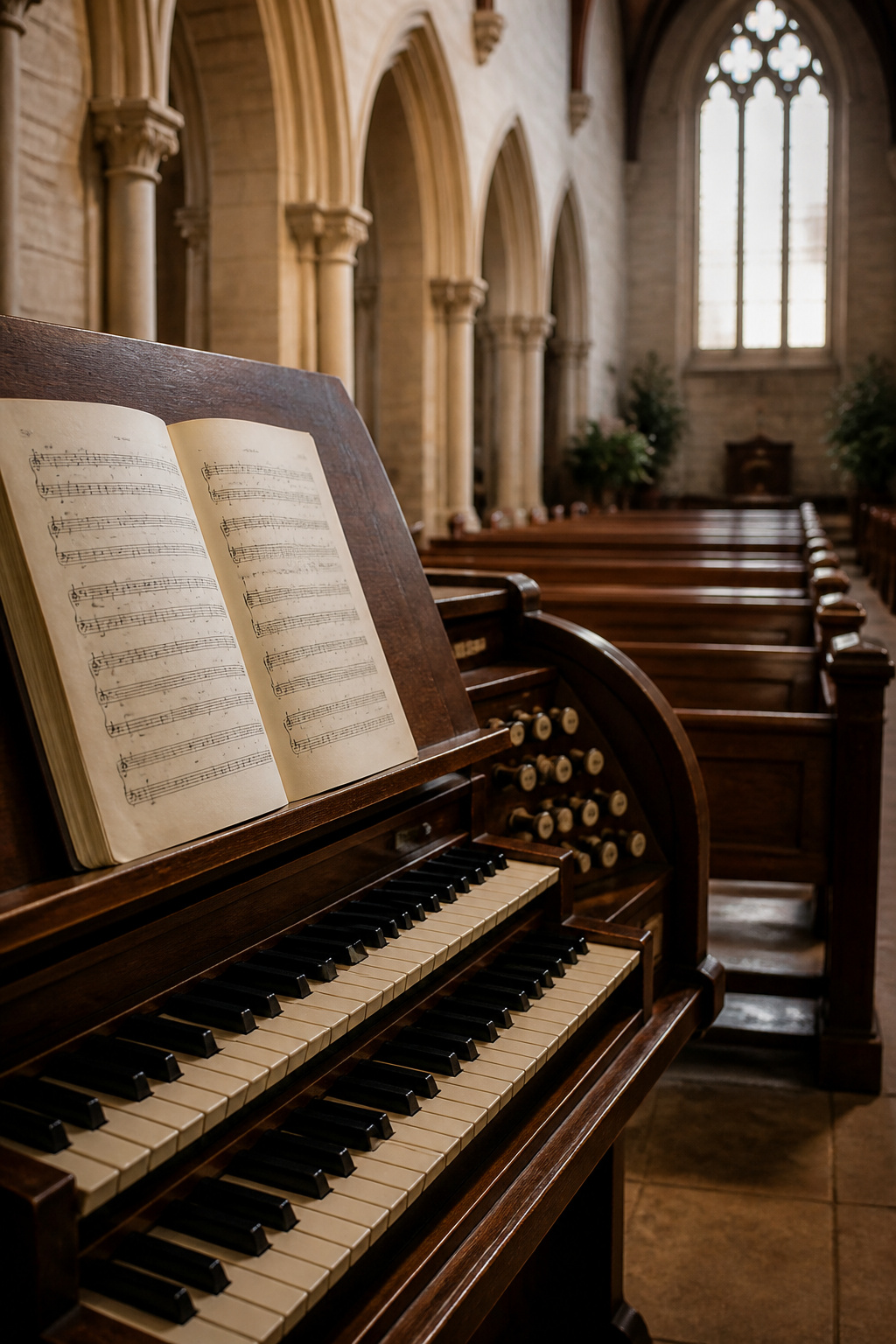
The organist at my cousin’s church charged $150 to learn anything outside the standard repertoire, so "Here Comes the Bride" stayed on the table for budget reasons alone.
I had already spent $275 on a string quartet for the prelude and thought the processional could ride free on what the organist knew by heart. The surprise came during the rehearsal when the priest stopped us cold.
He had never actually objected to Wagner, he explained; he just wanted to make sure we understood the Bridal Chorus was never a religious piece to begin with.
We walked through the empty sanctuary while he played it anyway, the melody booming off stone walls that had heard it a thousand times before, and the strangeness of that history sat right there in the sound. We kept it.
The $150 stayed in the budget, and the guests heard what they expected to hear, but I walked in knowing exactly what I was borrowing and what it cost.
Frequently Asked Questions
What are the traditional lyrics to Here Comes the Bride?
No official English lyrics exist. A commonly recorded traditional version from 1946 reads: "Here comes the bride / All dressed in white / Sweetly, serenely / Lovely to see / Marching to thee / True love united for eternity."
Camp parodies have circulated since at least the 1950s, and John Rutter published a 1995 translation that actually preserves Wagner’s original German meaning rather than inventing new sentiment.
Why is Here Comes the Bride controversial?
The piece carries two layers of controversy. First, it comes from a secular opera where the marriage collapses within minutes, not from any religious tradition.
Second, Wagner’s own anti-Semitic writings and later adoption by Nazi ideology as "Aryan cultural greatness" lead many Jewish couples and some congregations to exclude it entirely.
The Lutheran Missouri Synod specifically bans it, and Roman Catholic acceptance varies parish by parish.
When did Here Comes the Bride become popular as a wedding song?
The 1858 royal wedding of Princess Victoria, Queen Victoria’s oldest child, established the pattern. She chose Wagner’s Bridal Chorus for her processional and Mendelssohn’s Wedding March for the recessional at her January 25 ceremony at the Chapel Royal in St. James’ Palace.
That single event introduced the practice of a full choral processional from entrance to altar, and the choice spread because a visible royal family made it first.
Why can’t you play Here Comes the Bride in the Catholic Church?
Some Catholic parishes do ban it, though acceptance varies. Objections include its secular operatic origins, the pagan dramatic elements in Lohengrin, the tragic narrative context where the marriage fails immediately, and Wagner’s anti-Semitic ideology.
One priest might allow it as mere tradition; another refuses to sanctify the room with it. The decision usually rests with individual clergy rather than a universal rule.
What is the Here Comes the Bride song called?
Its proper name is the Bridal Chorus from Richard Wagner’s 1850 opera Lohengrin. Wagner composed it for a staged scene in Act Three, not for any actual wedding.
The opera itself ends in tragedy: Elsa breaks her promise, a rival is killed, the knight reveals his identity and departs, and Elsa dies of grief.
What is the best version of Here Comes the Bride?
That depends on what you want the music to carry.
John Rutter’s 1995 translation is the only English version that preserves Wagner’s actual meaning about blessing and fidelity, though Rutter himself noted no translation can make it fit a church ceremony since the original accompanies newlyweds to their bridal chamber, not to any altar.
Most churches that still allow the piece prefer Rutter’s text. The traditional 1946 English version invents gentler romantic sentiment, while camp parodies deliberately mock the ritual entirely.