These 11 ideas run from a few dollars per guest to low four figures, and the deciding factor is how much of your own labor you can trade for savings.
A food truck dinner and a paper flower backdrop both cut costs, but one needs a phone call and the other needs an afternoon with scissors and glue.
The figure that stayed with me: brunch catering averages about one-third the $71 per head that dinner runs, which is enough to reshape the whole day if your crowd is happier with pancakes than filet anyway.
1. Backyard Venue
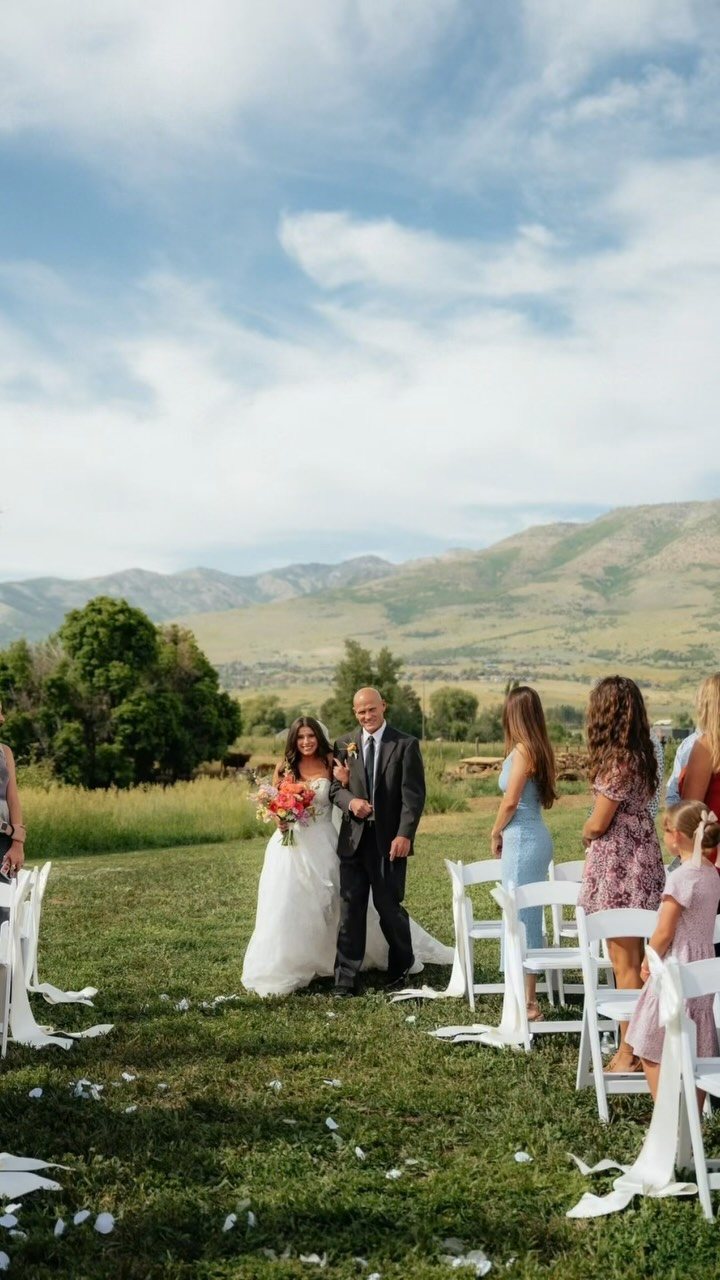
A friend of mine spent so much on a ballroom she barely remembered afterward. The backyard route trades that invoice for a few days of setup and a rental quote for chairs.
Public parks often charge a fee for the day; a family yard costs nothing if someone has one. Either way, check whether you will need a tent, portable restrooms, or a generator before you sign anything.
Restaurants and breweries that do not usually host weddings are another angle: no venue fee, just the food bill, and the decor is already handled.
This works best for guest lists under 80, where parking and seating stay manageable. The savings disappear fast if you are trucking in everything but the kitchen sink.
2. Food Trucks
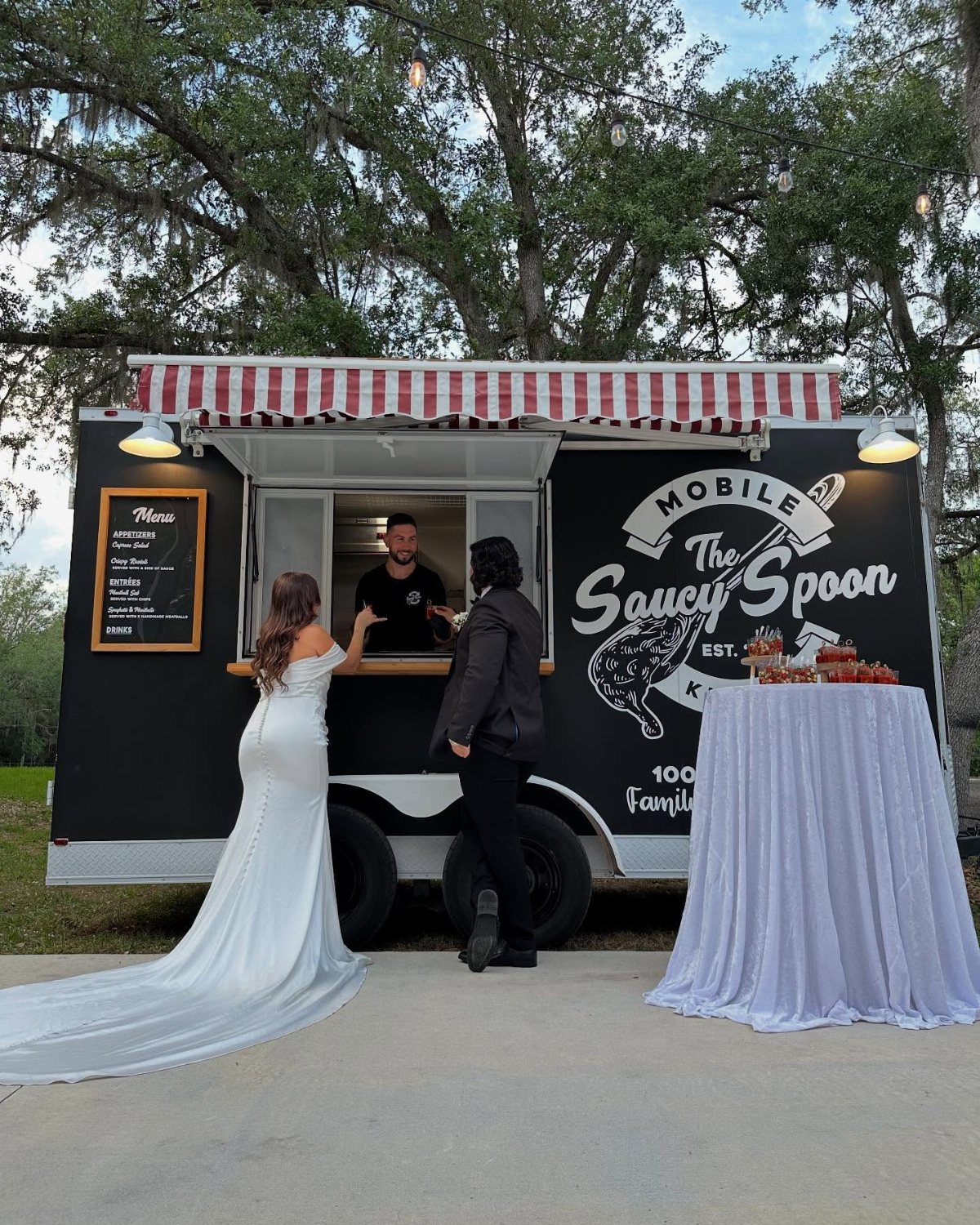
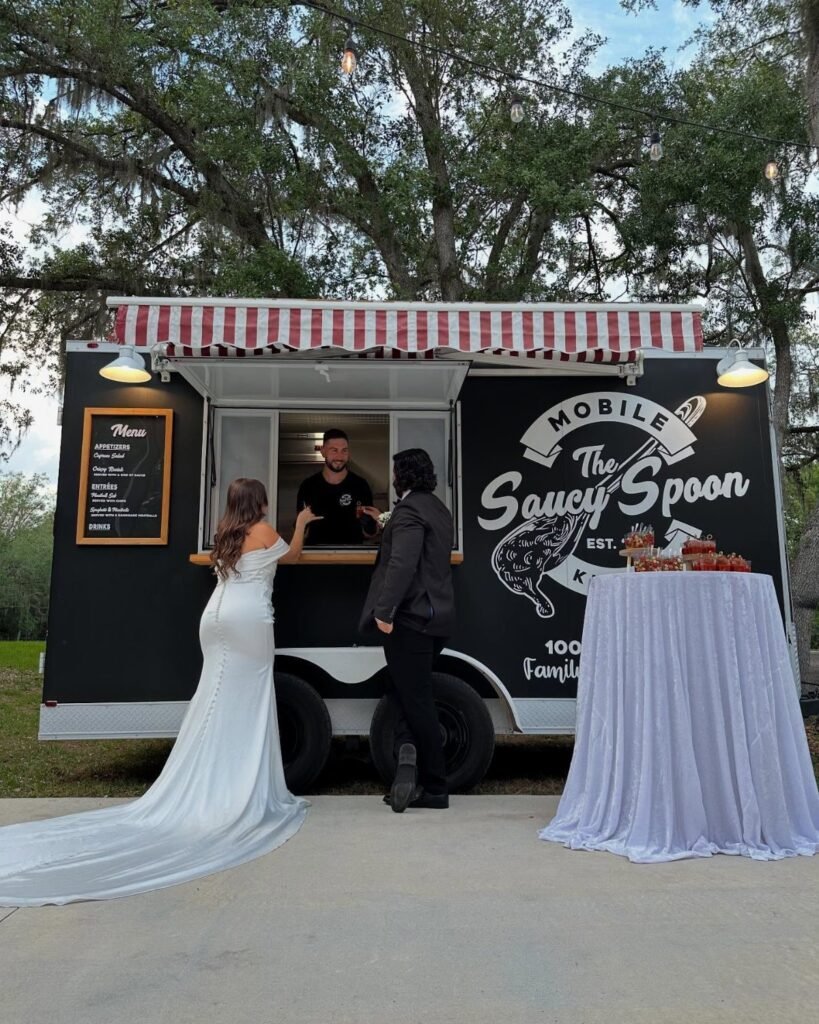
Catering a wedding runs into serious money before you blink. A food truck parked outside your venue keeps dinner affordable and turns it into something guests actually talk about.
Book enough trucks so the line does not stretch past sunset. Confirm they have served weddings before: a festival setup and a timed reception are different animals.
Some trucks need a power source; others bring their own. Ask who handles cleanup, and whether they need a water hookup.
The trade is formality. Guests stand, paper plates happen, and there is no silent head-table moment.
For a laid-back crowd, that is exactly what you want.
3. Mini Desserts
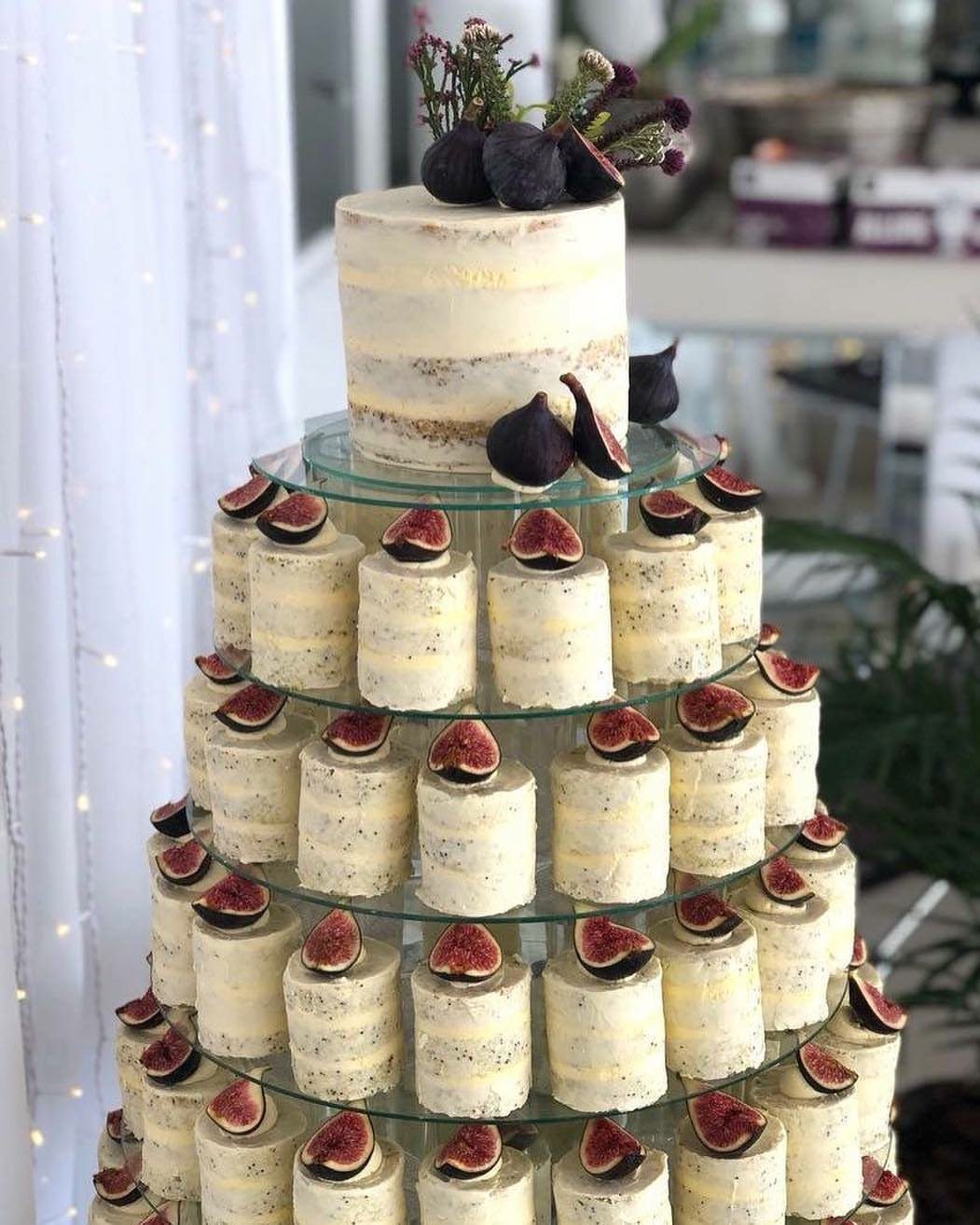
A bakery quoted me so much for a tiered cake that would have fed half the guest list and collected dust on the table. Mini desserts let you pay for exactly what gets eaten.
A dessert bar with cupcakes, macarons, and tiny tarts runs lighter than fondant and piped icing, and guests like choosing. One small ceremonial cake, if you want the photo, handles the tradition without the bulk order.
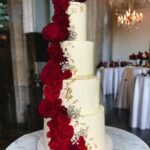
Ask your baker about a simple finish; buttercream costs less than gum-paste flowers and tastes better anyway.
This suits couples who would rather have variety than a centerpiece. Skip it if your guest list includes a lot of older relatives who expect a slice of white cake with their coffee.
4. Consider Buffets
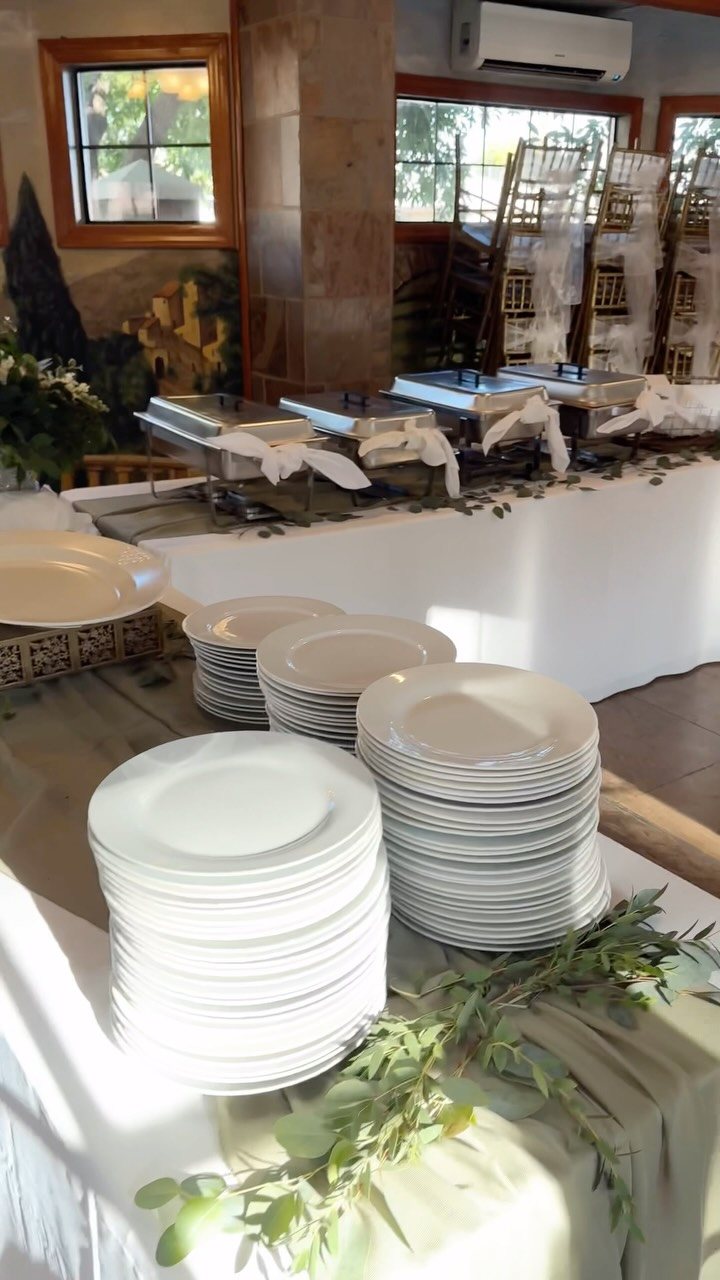
Buffets feel like the cheap option, but plated dinner can sometimes win on price. Caterers control portions precisely when they are plating one per guest; a buffet line invites double-dipping and over-preparation, and you pay for the waste.
Run both numbers before you decide. If the buffet still comes in lower, it usually saves on waitstaff since guests serve themselves.
A buffet also lets you offer two proteins instead of one, which matters if your crowd splits between chicken people and beef people.
The hard part is flow. A long line kills the energy of a short reception.
For a seated dinner with a tight schedule, plated service keeps the night moving.
5. DIY Wedding Invitations
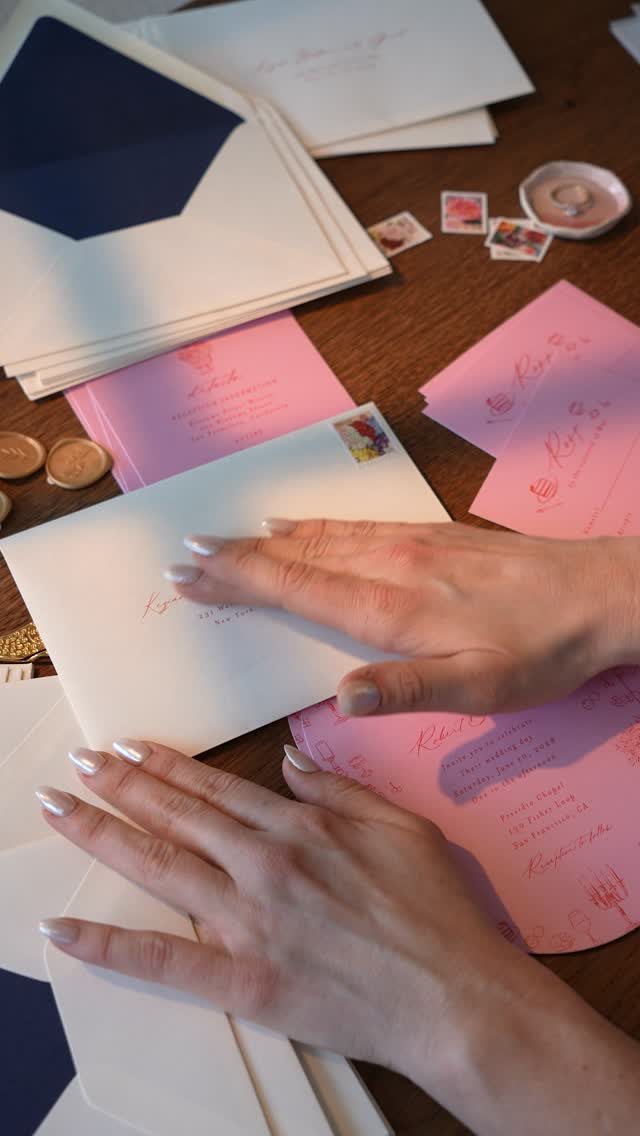
Professionally printed invitation suites start at a price that climbs fast with letterpress, foil, or extra enclosures. Doing it yourself drops that to cardstock, ink, and an evening at the kitchen table.
Download a template from a designer on Etsy, customize the text, and print at FedEx or a local shop. Flat-print the details; save any premium paper for the main invitation card only.
One design-savvy friend with a Cricut can handle the cutting if you are doing something shaped.
The limit is time, not skill. A complex suite with maps and RSVP cards eats a weekend you will not get back.
For a small wedding, or for anyone who would rather put that money toward an open bar, the trade is obvious.
6. Consider Eloping
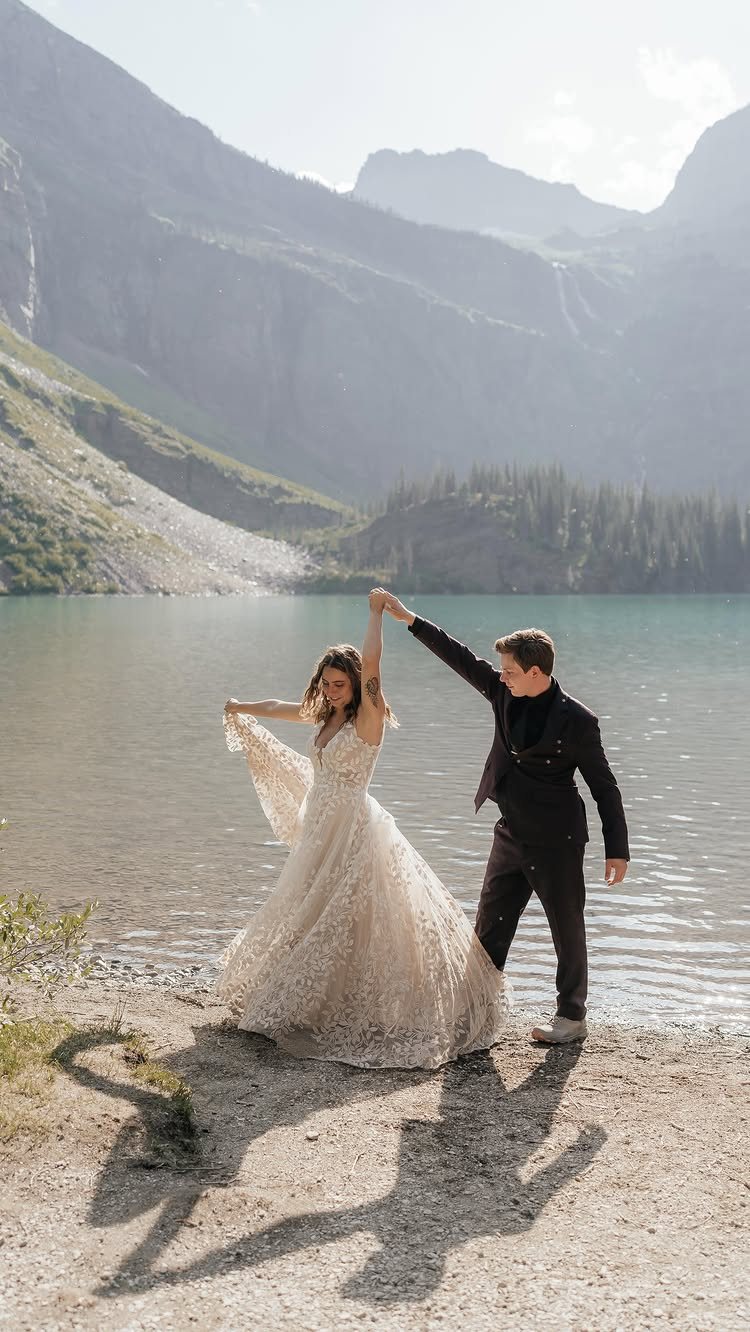
A big wedding in my city averages more than most couples want to spend.
An elopement with just a few witnesses and a photographer runs a fraction of that, and the money you keep covers a house down payment or a long honeymoon.
National parks, city halls, and a cousin’s lake cabin all work. The savings are not just head count: no seated dinner, no rentals, no favors, no cake cutting nobody watches.
You will still pay for a marriage license, an officiant, and a good photographer, since the photos become the whole record.
Someone in your family will be disappointed. This path is for couples who would rather have a Tuesday morning on a mountain than a Saturday night making rounds at tables of people they barely know.
7. DIY Centerpieces
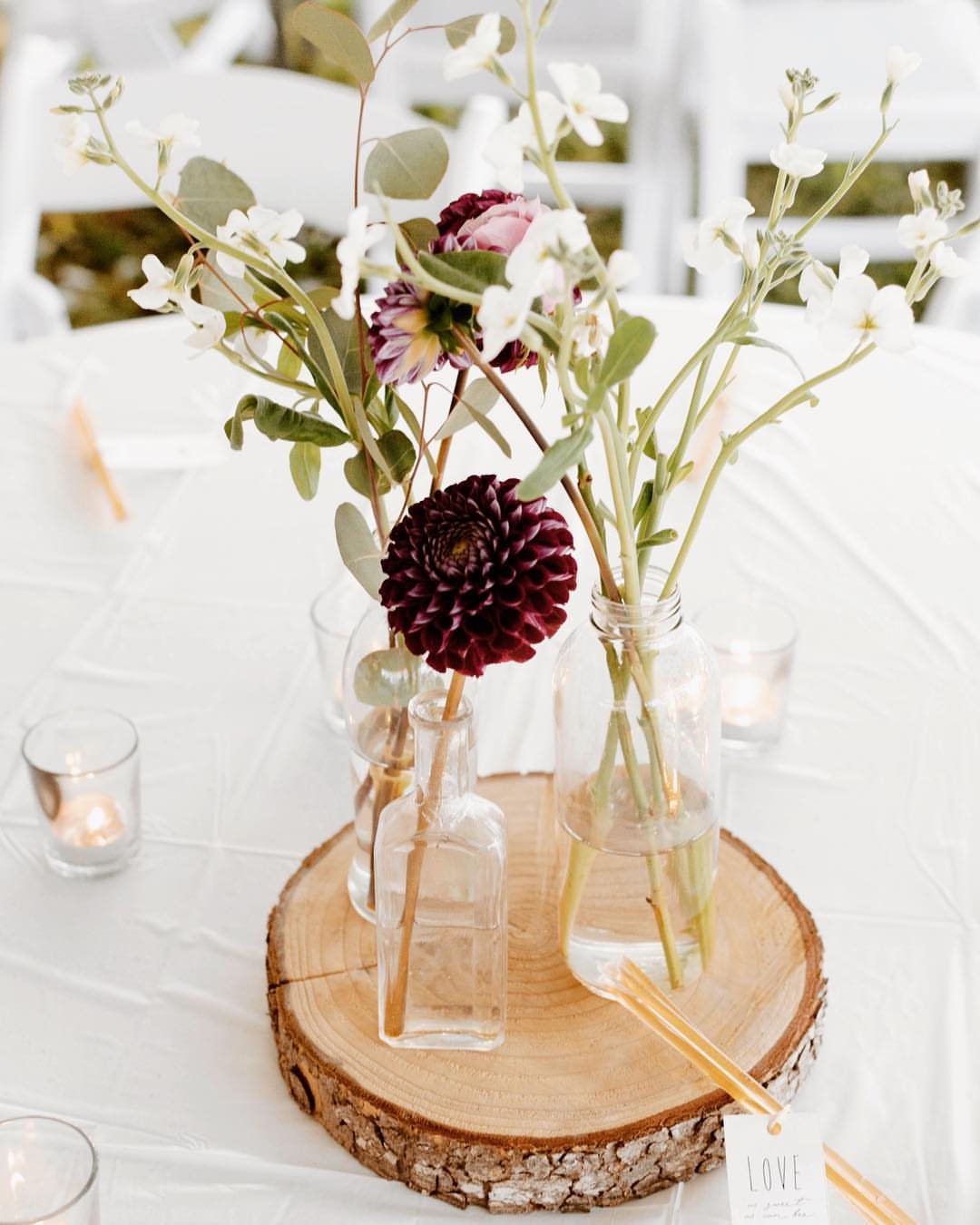
A wood slice, a few bottles salvaged from your recycling bin, and votives from the dollar store: that is the whole list.
I built one of these for a friend’s shower and the total ran low enough per table that the flowers became the splurge, not the vessel.
Varying height does the work that expensive floral arrangements would do. Tall bottles catch light; short ones keep conversation across the table possible.
Skip the florist entirely if your venue has character already. This centerpiece suits long tables in barns, backyards, or anywhere the walls do the decorating for you.
8. Plan a Brunch Wedding
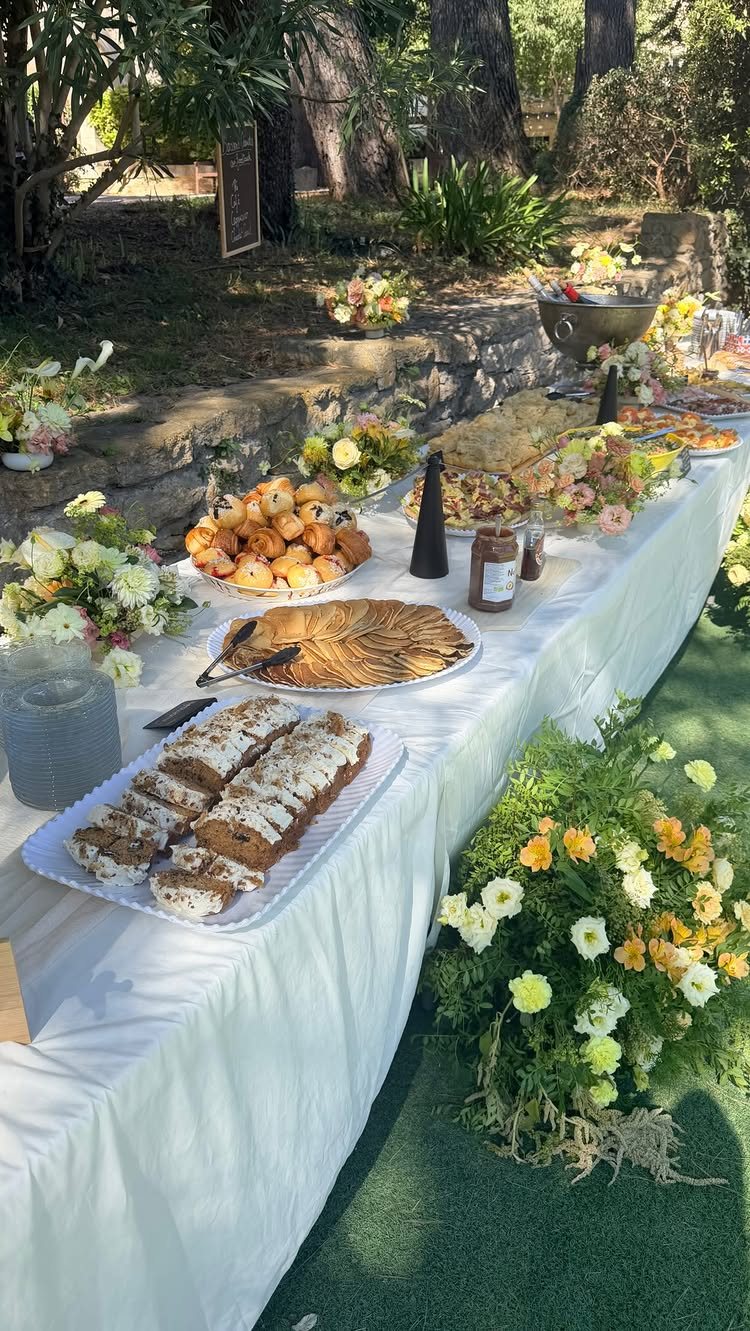
Brunch costs about one-third what dinner does, and guests drink less in the morning. That is not a judgment; it is arithmetic that works in your favor.
Pancakes, pastries, and a build-your-own mimosa station feel celebratory without the $71 per head that fine dining dinner averages out to. This format works best at a size where the informality reads as intimate rather than underplanned.
The trade is the dancing. Few people want to grind to Bruno Mars in the early afternoon.
Schedule your ceremony late morning, serve through early afternoon, and send everyone home for a nap. This format is made for garden venues with good morning light.
9. Paper Flower Wedding Backdrop
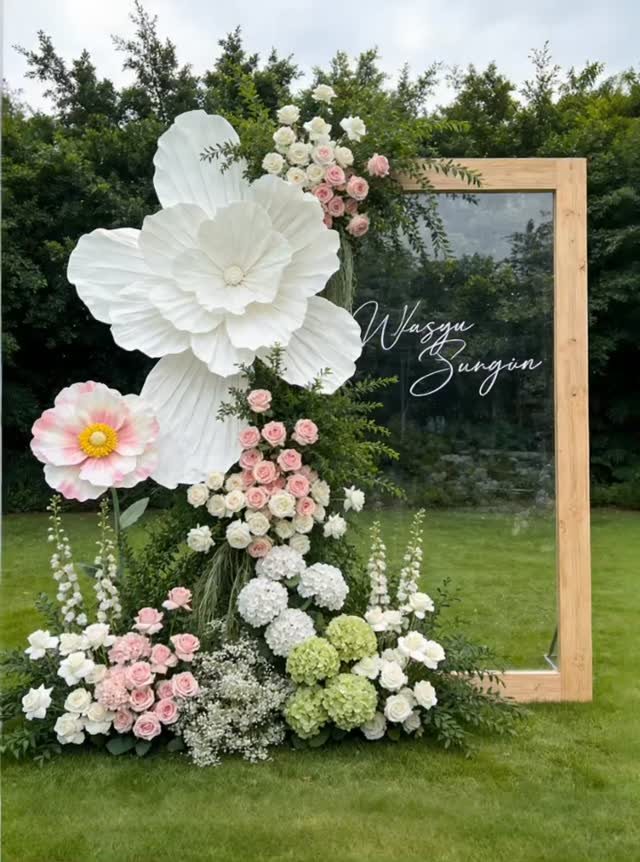
Paper flowers are the one detail guests photograph without knowing they are fake.
Build the frame from 2x4s and acrylic sheeting, or find an old window to repurpose. The paper blooms you make or buy in bulk; the fresh roses and hydrangeas are sparse, placed where they show in photos.
Greenery fills the rest, and greenery is cheap.
This backdrop suits smaller ceremonies, where everyone sees it up close. At a larger headcount, the scale would need to double and the savings disappear.
10. DIY Truffle Wedding Favors

Two truffles in a bag, tied with ribbon: the whole favor costs very little if you buy the chocolate in bulk and assemble them yourself with a few friends the night before.
Guests rarely keep favors. Favors that travel home need to be edible or disappear.
Ferrero Rocher or Lindt truffles feel indulgent; the gold wrapping does the decorating for you.
The variation I prefer skips the bag entirely. A small bowl of truffles at each place setting doubles as dessert and favor, and costs the same.
Either way, this suits weddings where the guest list is small enough that you care whether each person leaves with something.
11. DIY Fruit Cake Decorating
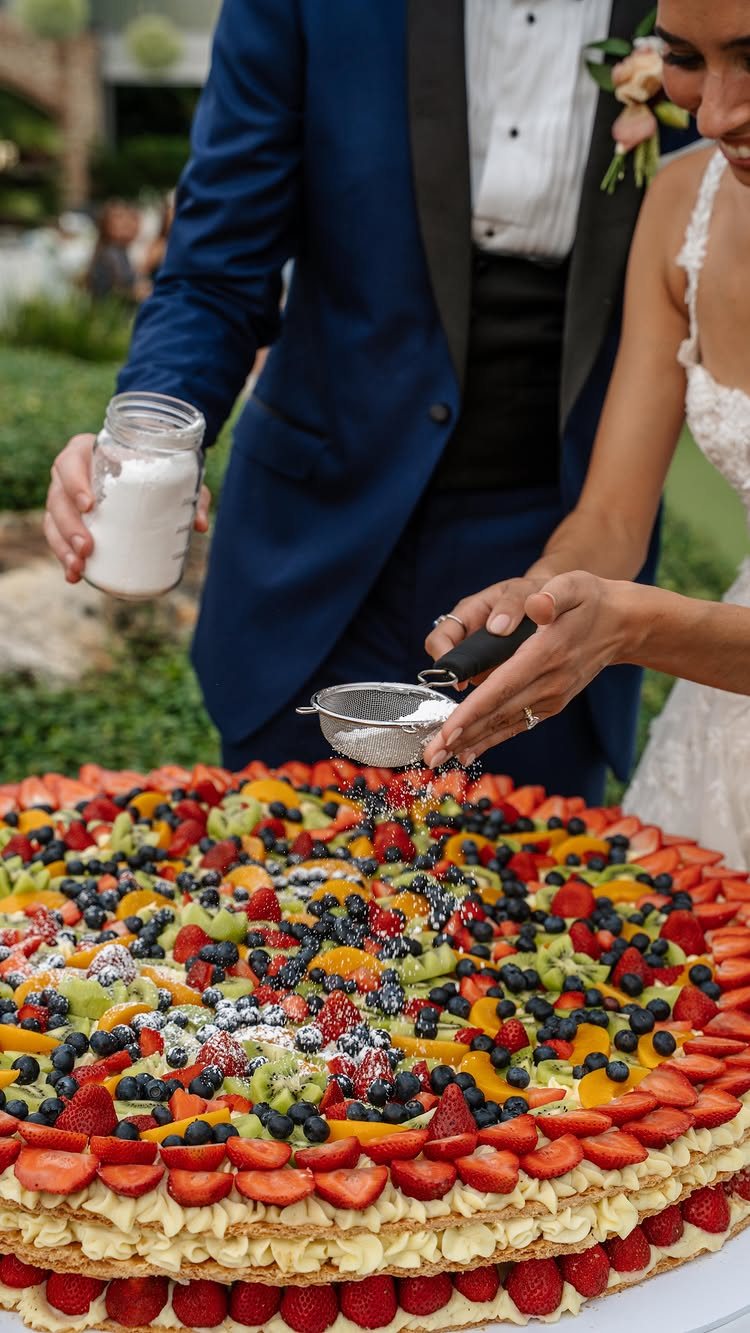
The fruit does the color work. Strawberries, blueberries, kiwi slices: buy them the morning of, arrange in overlapping rows, and dust right before photos.
The sugar masks any imperfections in the fruit or the frosting beneath it.
This decorating style suits round cakes with minimal frosting, not tall tiered constructions. For a large guest count, order a 2-tier cake for cutting and supplement with sheet cake in the kitchen.
The fruit-topped one is for pictures; the sheet cake feeds everyone without the per-slice upcharge.
Prioritize What Matters
I would start every budget conversation with two lists, one per person: the 3 things each of you would notice if they went wrong. Those 6 items get your first dollars.
Everything else negotiates around them.
For some couples that means the photographer and the band; for others, the food and the open bar. There is no right answer, only the one that keeps you from overspending on details neither of you will remember.
A realistic figure comes after the priorities, not before. Work backwards from what you can actually spend, then fit the list inside it.
If the venue eats half the budget and photography matters to you both, that tells you where to look: smaller guest list, off-peak date, or a space that needs no decoration. The spreadsheet comes later.
The list comes first.
Perhaps consider limiting the plus-ones for single guests. Trimming your guest list by just 10 to 20 people can save you thousands of dollars on food, alcohol and rentals.
Track Your Budget
The small stuff totals fast, and the spreadsheet catches it before you commit.
Free tools exist if you prefer an app. A ready-made tracker skips the setup and still logs every deposit and due date.
Either way, the habit matters more than the tool. Update it weekly, not monthly, or the drift becomes real before you notice.
A registry helps indirectly. Guests want to give something; directing that toward what you actually need keeps your cash free for the non-negotiables.
For international paperwork or visa costs, budget those admin lines explicitly. Translation services and certified documents have a way of arriving late and expensive.
Embrace Imperfection
Your wedding will have a moment that goes wrong. The cake leans, the microphone feeds back, someone wears the wrong color.
I would bet on it. The weddings that look effortless online usually had a planner, gifted vendor rates, and hours of editing.
Yours does not need to compete.
Guests tend to remember the moment when the best man lost his place in the speech, not the satin table runners. A toast that starts twice because the first attempt got emotional.
A hand-tied bouquet with the twine still showing reads as intentional, not unfinished. Let them happen.
Perfection is expensive because it requires control over every variable, and variables at a wedding number in the hundreds.
I would rather spend that energy on whether people can hear each other at dinner and whether there is enough shade in July. The memory your guests leave with is the feeling, not the flatware.
Frequently Asked Questions
Is it possible to have a wedding under $5,000?
A $5,000 wedding is doable if you keep the guest list tight and skip the rented ballroom.
A backyard or public park cuts the venue cost to a day fee or nothing, and a food truck or brunch format drops catering to a fraction of dinner service.
That means a smaller headcount, no seated dinner, no tiered cake, and doing your own invitations and centerpieces.
What is a realistic budget for a wedding?
A realistic budget lands where your savings and family contributions actually are, but many couples now aim for $10,000 or less.
The typical American wedding still runs tens of thousands, so every choice becomes a trade-off between what you want and what you can pay before a fixed date.
For couples planning their own wedding without borrowing, the practical ceiling sits closer to $10,000.
What is the 50/20/30 rule for weddings?
Half your budget goes to essentials like venue, catering, and attire; 30% covers enhancements like photography, decor, and music; 20% is a buffer for surprises or extra guests.
The venue and food eat the bulk of any budget, and protecting a buffer matters because hidden costs appear in every wedding.